Can you plant a new tree where a stump was ground?
Yes, but plant a few feet to one side of the old trunk, or prepare the old spot properly first, because the old roots, the wood chips and any disease left in the soil can hold a young tree back.
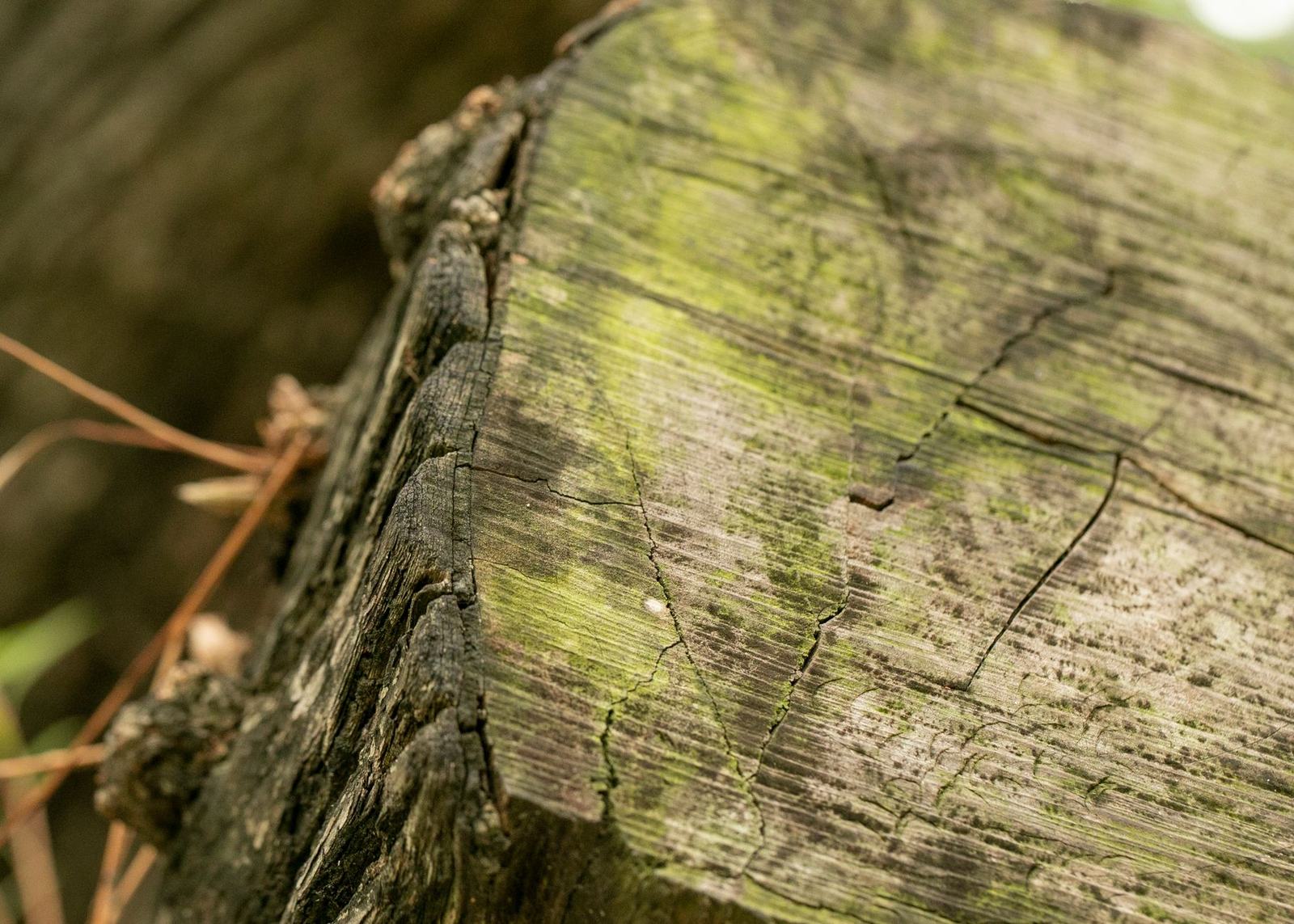
Many homeowners in Clearwater want a new tree where the old one stood, and that is usually possible. Grinding removes the stump you can see. The roots and the soil underneath need a little thought before you dig. Here is what we tell neighbours who ask.
The short answer
Yes, in most yards you can plant a new tree where a stump was ground. The main thing to know is what grinding leaves behind. The machine cuts the stump down below the soil line and turns it into a pile of chips mixed with dirt. The stump is gone, but the main roots are still in the ground, and they break down slowly over the next few years.
A new tree can go in near the old spot as soon as the area is cleaned up. Planting right in the centre of the old hole takes more preparation, or some patience. For most homeowners the simplest approach works best: move the new tree a few feet to one side, out of the thickest part of the old root mass, and fill the planting hole with good soil instead of grindings.
What changes the answer on a real property
How deep the grind went. A normal grind takes the stump low enough for soil and grass to cover it. A tree needs more room than grass. If you plan to replant, tell us before the work starts so we can grind deeper and wider and take out more of the root flare where the trunk met the roots.
What the old tree died of. If the tree came down because of disease, the problem may still be in the roots and the soil. Palms lost to Ganoderma butt rot are the common local example. The fungus stays in the ground, and putting another palm in the same spot invites the same trouble. A different kind of tree, or a different spot, is the safer choice.
The chips. As wood chips break down in soil, they use up nitrogen. A young tree planted in a hole full of grindings often looks pale and grows slowly for a season or two. Chips spread on top as mulch are fine. Chips mixed into the root zone are not.
Settling. As the old roots rot, the ground above them sinks. A tree planted over a big root can end up leaning, or sitting in a low spot that holds water after a summer storm.
Space. Ask why the old tree came out in the first place. If it was too close to the house, a pool cage, the driveway or the overhead lines, a new tree in the same spot will grow into the same problem.
What you can check yourself
Before you buy a tree, spend half an hour looking at the spot.
Push a long screwdriver or a thin steel rod into the soil every foot or so in a circle around the old stump. Where it stops hard, you have hit a root. That gives you a rough map of where the big roots run and where the ground is clear.
Look at the grind area itself. If it is mostly chips at shovel depth, that material needs to come out of the planting hole. Watch for mushrooms or shelf-like growths around the old base. Those are signs of decay fungus, and they matter more if the old tree was a palm.
Look up. Check for power and cable lines, the roofline and the eaves, and think about how wide the new tree will be when it is fully grown, not how big it is in the pot.
Call 811 a few days before you dig so buried utility lines get marked. Irrigation lines are not part of that, and they run through most Clearwater yards, so find your sprinkler heads and work out where the pipe runs between them.
When it needs a professional
Some situations are more than a shovel job. A large oak stump leaves thick roots that spread well past the old trunk, and digging a proper planting hole through them by hand is slow, hard work. Surface roots running across the lawn, roots lifting a sidewalk or roots near a foundation are also worth a second look before you plant anything.
This is where Root Grinding helps. We follow the main roots out from the old stump and grind them below the surface, which clears a planting area and removes the humps that would otherwise rot and sink later. Palms are different. Their roots are a dense mat of thin fibres rather than big spreading roots, so the ground is often easier to replant after a palm stump is ground, though the disease question still applies.
If the old tree was sick and you are not sure what it had, ask a certified arborist or the county extension office before you pick a replacement.
What is different about Clearwater yards
Most of the soil here is sand. It drains fast and holds very little in the way of nutrients, which is one more reason to fill a planting hole with good soil and keep the grindings on top as mulch. Some neighbourhoods closer to the water sit on a shallow water table, so avoid the low spot left by a settling stump. Roots that sit in water in August do poorly.
Heat matters too. Many people plant in the cooler months so a new tree is not fighting summer heat while its roots settle in, but anything you plant needs steady watering until it is established. Hurricane season is the other local factor. Give a new tree room away from the house, and lean toward species with a good record in wind, such as live oak and sabal palm, rather than fast-growing trees with weak wood.
How this fits with the work we do
If you know you want to replant, mention it when you ask for a quote. With Stump Grinding we can grind deeper and wider in the spot where the new tree will go, pull the chips back from the hole, and talk with you about whether to use them as mulch elsewhere in the yard. If there are big roots in the way, we can add Root Grinding on the same visit so the planting area is clear before you dig. Tell us what the old tree was and why it came out, and we will tell you plainly whether we think the same spot is a good idea.
Related questions
If you plant a few feet to one side of the old trunk and use fresh soil in the hole, you can plant right away. Planting in the exact centre of the old stump goes better if you dig out the grindings first, or wait until the ground has settled. The bigger the old tree, the longer the settling takes.
Yes, as long as they stay on top of the soil. Spread them a few inches deep around shrubs or beds and keep them back from the trunk of any tree. Do not mix them into a planting hole, because breaking-down wood takes nitrogen from the soil a young tree needs. If the old tree was diseased, it is safer not to use the chips around other plants.
Some hardwoods can send up shoots from roots left in the ground, especially when the grind was shallow. Pull or cut the shoots as they appear and they usually stop. Palms do not resprout once the trunk and growing point are gone.
It depends on why the old tree died. If it was removed for space or storm damage, the same kind of tree is usually fine. If it died of a soil disease, such as Ganoderma in palms, plant a different kind of tree or choose a different spot.
Yes. Rake out most of the chips, fill the hole with topsoil a little above grade to allow for settling, then lay the sod or seed. Expect to top up the low spot once or twice as the roots below break down.
Services
How we can help in Clearwater
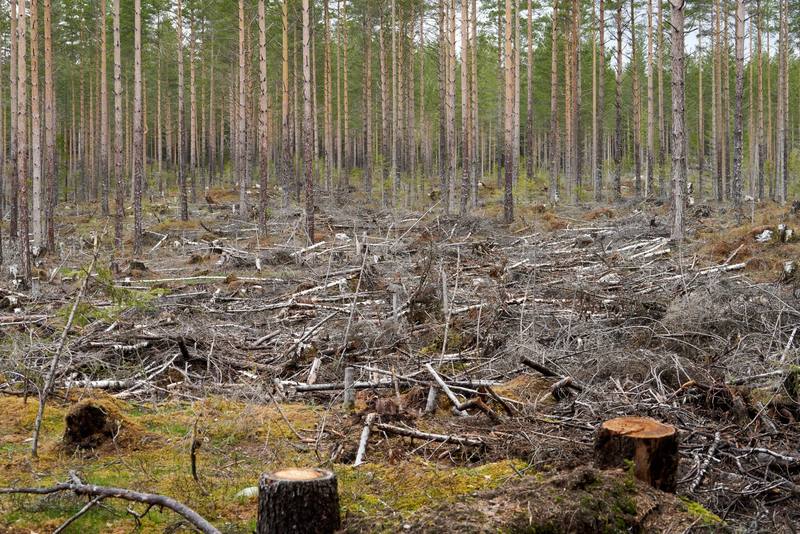
Stump Grinding
Stumps ground below grade so you can plant, sod or pave over the spot.
Learn more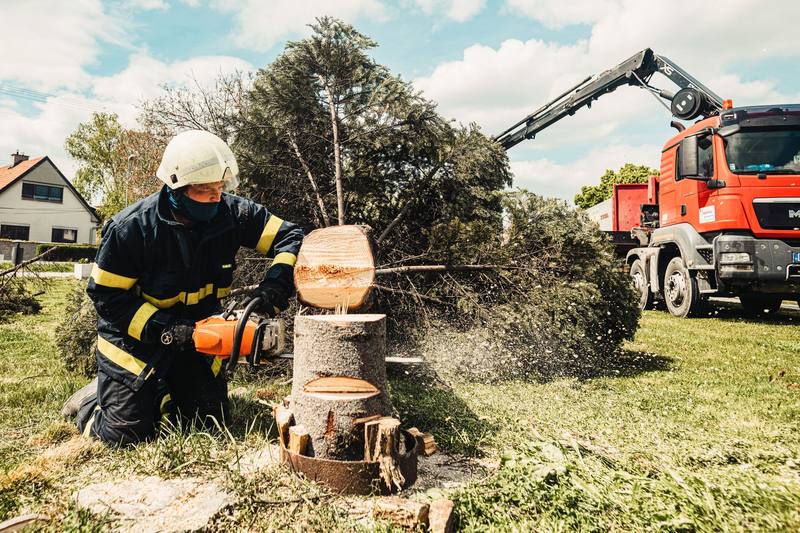
Stump Removal
Full stump and root ball extraction where a new structure, driveway or utility line is going in.
Learn more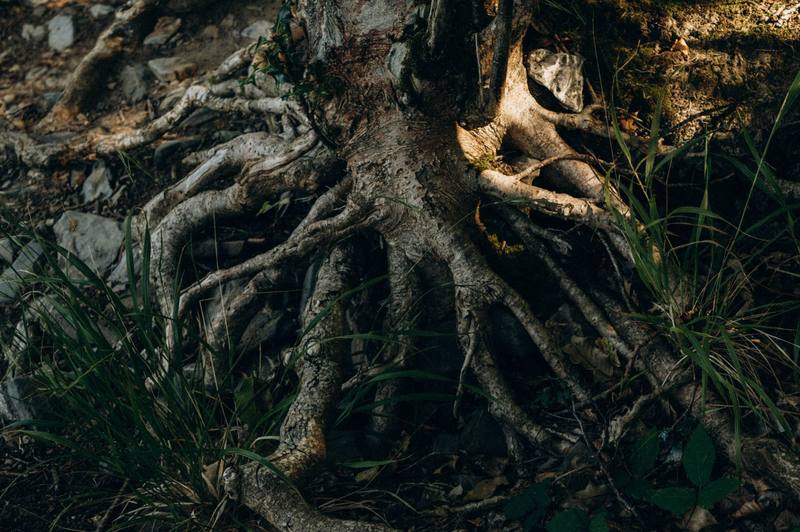
Root Grinding
Surface roots that lift walks, patios and lawns ground down and cleaned up.
Learn more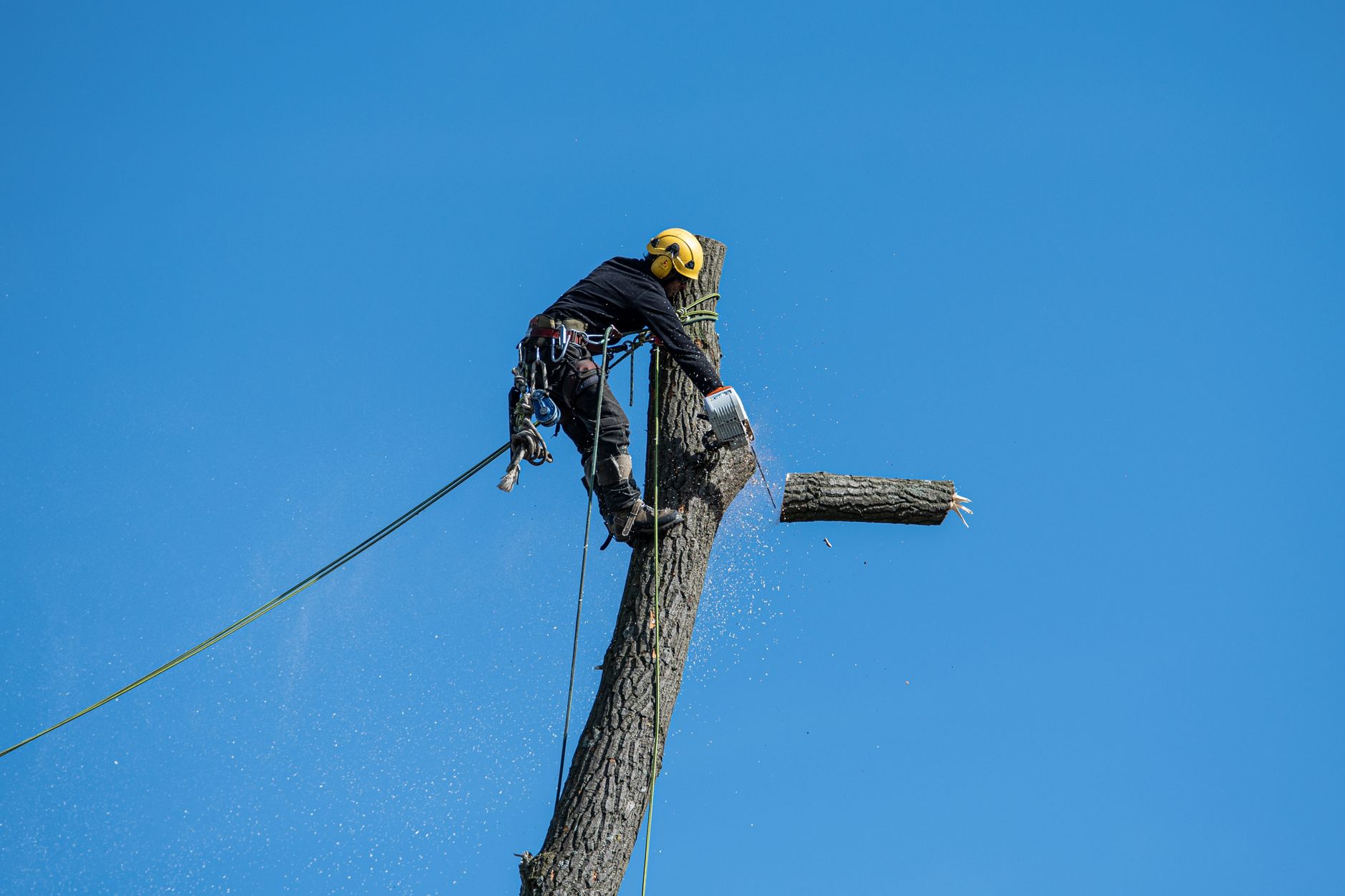
Tree Removal
Dead, leaning or in-the-way trees taken down in sections and hauled away.
Learn more
Tree Trimming
Crown cleaning, deadwood removal and clearance from roofs and lines.
Learn more
Lot Clearing
Brush, small trees and stumps cleared from lots and fence lines.
Learn more
Palm Tree Removal
We take down dead, diseased and unwanted palms around Clearwater and deal with the stump so you can use the ground again.
Learn more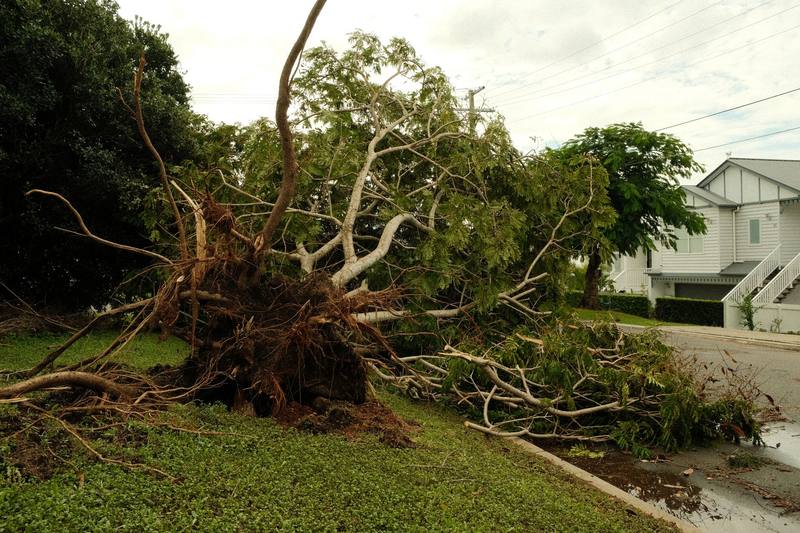
Storm Cleanup
Fallen limbs and uprooted trees cut, cleared and the stumps ground after a storm.
Learn more
Get Started
Send us a photo of the stump
Take a picture with something next to the stump for scale, tell us what you want in that spot, and we will get back to you with a quote. You can also call during business hours.