Root Grinding in Clearwater, FL
We grind down surface roots that lift pavers, trip people up, block a mower or get in the way of new work, without tearing up the whole yard.
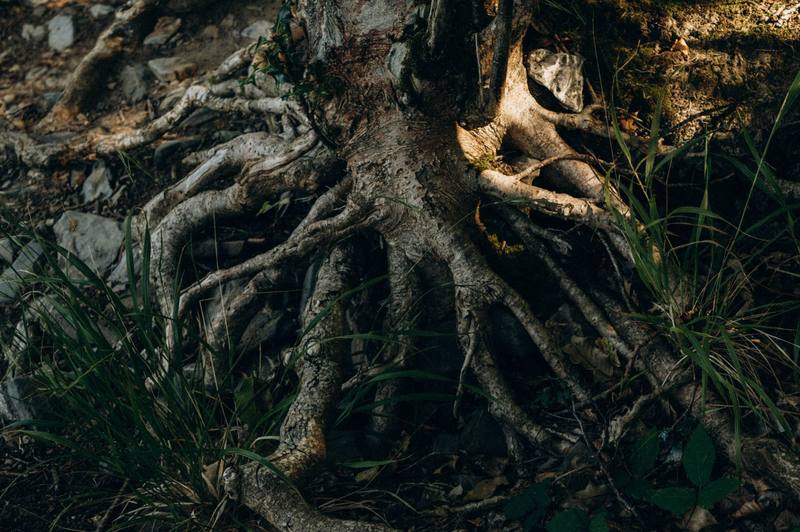
Roots outlast the trees they came from, and they keep causing trouble long after the stump is gone. We find the roots that are actually causing the problem, grind them out to a useful depth, and tell you plainly what is safe to cut and what is better left alone.
What to look for
Most root problems show up in a few predictable places. You notice a paver that has started to rise, a crack running across the driveway, a hump in the lawn the mower keeps scalping, or a ridge of bark showing through the grass where nothing used to be. Some people only notice when a sprinkler zone stops working or a new garden bed is hard to dig.
It helps to trace the root back toward its source. A root lifting a walkway might belong to a tree that is still standing, a stump that was cut years ago, or a tree on the neighbour's side of the fence. Which one it is changes the advice, so take a moment to follow the line of the root before you call.
- Pavers, sidewalk slabs or driveway edges that are lifting or cracking
- Raised roots across the lawn that catch mower blades or trip people
- Roots left behind after a stump was ground, still sitting near the surface
- Bark-covered ridges growing toward the house, a pool deck or a fence line
- Broken irrigation heads or lines in the same spot over and over
- Soft, sunken patches where old roots are rotting underground
What usually causes root trouble in Clearwater
Trees put their roots where the water and air are. In much of Clearwater the soil is sandy and drains quickly, and the water table can sit fairly close to the surface. Roots do not need to go deep to find moisture, so many of them spread out wide and shallow. That is why a large oak can push up a driveway a good distance from its trunk.
Irrigation makes this stronger. A lawn that is watered several times a week trains roots to stay near the top few inches of soil. The same is true of planting beds beside a slab or a paver patio, where water collects along the edge and roots follow it.
Laurel oaks and live oaks are common in older Clearwater neighbourhoods, and both can send out thick surface roots as they mature. Some ornamental trees planted close to homes in past decades were never a good match for a small lot. Palms behave differently. Their roots are many thin strands rather than a few thick ones, so they rarely lift pavers the same way, though a removed palm still leaves a root ball behind.
After a tree is cut down, its roots stop growing but they do not vanish. They break down slowly, and as they do the soil above can settle unevenly. A root that was ground at the stump but left running under the lawn can still leave a raised line for years.
Grind the root, or leave it alone
Root grinding is the right call when the root belongs to a stump that is already gone, or to a tree you are removing anyway. In those cases there is nothing to protect, and we can grind as much as the job needs.
It is a different question when the tree is still standing and healthy. Cutting a large root close to the trunk can weaken the tree's hold in the ground and starve part of the canopy. In an area that sees strong summer storms, a tree that has lost its anchoring roots on one side is a real concern. We will tell you if we think a cut would put the tree at risk, even if it means less work for us.
Here is how we usually think about it:
- Root from a stump that is already gone: grind it out to the depth you need
- Root from a tree you plan to remove: remove the tree and stump, then grind the roots
- Small surface root well away from a healthy tree: usually fine to grind
- Large structural root close to the trunk of a healthy tree: usually better to work around it
- Root under a slab or footing: we look first and tell you what is realistic before anything is cut
What a root grinding visit involves
We start by walking the area with you. We look at where the root is surfacing, follow it back to its source and check what is nearby: sprinkler lines, low-voltage lighting wires, pool plumbing, fences and the edge of any slab or paver area. Before any grinding below the surface, underground utilities need to be marked. Florida's one-call system, Sunshine 811, handles that, and we will make sure it has been done before we cut.
Then we explain what we plan to grind, how deep, and what we would leave in place. If pavers or edging have to be lifted to reach the root, we say so up front so nothing comes as a surprise. Work starts once you have agreed to it.
On the day, we protect nearby surfaces and plants, expose the root where needed, and grind it down with equipment sized for the space. Narrow side yards and gated backyards are common, so we plan access ahead of time. If we find the root runs further or deeper than it looked, we stop and show you before going on.
When we finish, the trench is filled with the grindings or with soil, depending on what you want to do with the area next. We rake it level, clean up the hard surfaces and walk the area with you.
Root grinding around Clearwater homes
Many Clearwater homes sit on a concrete slab, and many have paver driveways, pool decks or patios added over the years. Pavers are easy for roots to lift, which is one reason root grinding is a common request here. The good news is that pavers can usually be pulled up, the root ground out, and the pavers reset on a level base.
Lots in older parts of the city are often close together, with mature trees right on the property line. That raises the question of whose tree it is. We can grind a root on your side, but it is worth talking to your neighbour first, especially if their tree depends on that root.
Our summers bring heavy afternoon rain. A freshly ground area full of loose chips can wash out or settle after a few storms, so we will suggest topping it with soil and letting it settle before you lay new sod or reset hardscape for good.
After the roots are gone
Wood grindings break down over time and pull nitrogen from the soil as they do. If you plan to replant or lay sod, it helps to remove most of the chips and replace them with clean soil. If the area is going under pavers or concrete, a firm, compacted base matters more than anything else.
Keep an eye on the spot for the first rainy season. A little settling is normal as the remaining root material breaks down, and it is easy to top up. If a root from a living tree keeps coming back toward the same walkway, a root barrier along the edge can help guide it down and away.
FAQ
Common questions about root grinding
Grinding a small root well away from the trunk rarely harms a healthy tree. Cutting large roots close to the trunk can weaken it and make it less stable in high wind. We look at the size and position of the root and tell you honestly if we think it should be left alone.
Usually, yes. We lift the affected pavers, grind the root out underneath, and leave a level area so the pavers can be reset. We will check where the root comes from first, so you know whether it is likely to come back.
Stump grinding takes out the stump and the main root mass right around it. Roots that run further out across the lawn are a separate job. If you want those gone too, tell us when you ask for a quote and we will include them.
Yes, any time we grind below the surface. Underground lines are marked through Sunshine 811 before we start. We also ask about sprinkler lines, lighting wires and pool plumbing, since those are not marked by the utility locate.
Sandy soil, a fairly high water table and regular lawn watering all keep roots in the top layer of soil where the moisture is. That is why roots here often spread wide instead of going deep, and why they show up under walkways and driveways.
Get Started
Send us a photo of the stump
Take a picture with something next to the stump for scale, tell us what you want in that spot, and we will get back to you with a quote. You can also call during business hours.