Storm Cleanup in Clearwater, FL
We clear fallen trees, broken limbs and storm debris from yards across Clearwater and nearby Pinellas towns.
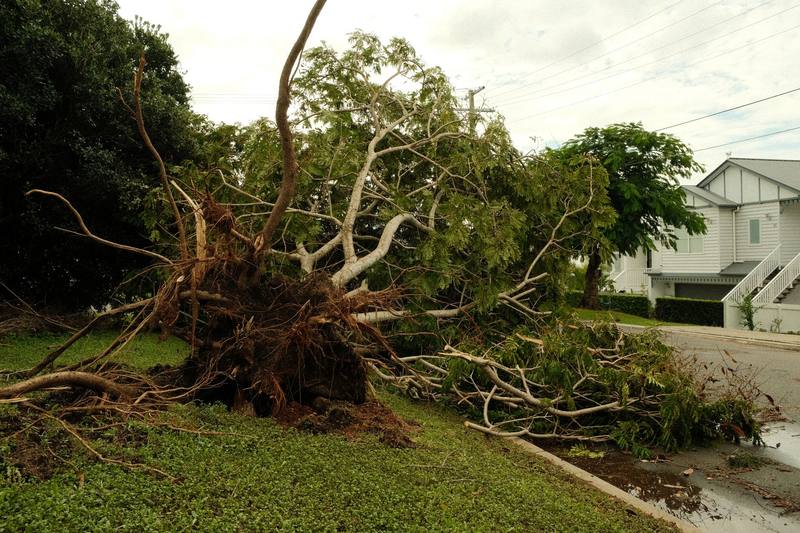
After a storm, a yard can look like there is no clear place to start. We cut up and haul away downed trees, take down limbs that are cracked but still hanging, and grind out the stumps that are left. Our hours are Monday to Friday 7:00 AM to 7:00 PM and Saturday 8:00 AM to 5:00 PM, and we book visits in the order people call.
What storm cleanup covers
Storm cleanup covers anything a storm has knocked down, broken or left unstable in your yard. Usually that means a whole tree on the ground, a large limb across the driveway, palm fronds and seed pods all over the lawn, or a tree that is now leaning hard toward the house.
We cut fallen wood into pieces we can handle, take the debris off your property, and remove anything still standing that is no longer safe. If a tree came down and left a stump or a torn-up root plate, we can grind that out on the same job or come back for it later.
- Fallen trees and large broken limbs
- Hanging or cracked limbs still caught in the canopy
- Leaning trees that have shifted in wet ground
- Palm trees with snapped trunks or damaged crowns
- Stumps and exposed roots left after a tree falls
- Brush and debris piles across the yard
What to leave alone until we get there
Some storm damage is more dangerous than it looks. Please keep away from these, and keep children and pets away too, until someone with the right equipment has looked at them.
If a tree or limb is touching a power line, call the utility company before you call us. We do not work near energised lines, and nobody should. A limb lying in a wet yard can still be in contact with a line you cannot see from where you are standing.
- Limbs hanging in the canopy, sometimes called hangers. They can drop without warning, even days later.
- Trunks that are bent under load or pinned under another tree. The wood holds a lot of stored tension and can spring when cut.
- Trees that have tilted with the soil lifted on one side. The root plate may be partly torn and the tree can keep moving.
- Anything resting on a roof, a pool cage or a fence.
Why trees fail here
Around Clearwater, most storm damage comes from a few familiar causes. Our soil is mostly sand, and after days of heavy rain it gets soaked and soft. A tree with a big, leafy canopy catches the wind like a sail, and the roots lose their grip in the wet ground. That is why you often see whole trees tipped over with the root plate standing up, not snapped trunks.
Laurel oaks are common in older neighbourhoods and often decay from the inside as they age, so a trunk that looked fine can break in a strong gust. Live oaks are tougher but can drop heavy limbs, especially ones that grew long and low over a roof. Palms mostly lose fronds and seed stalks, but a palm with a damaged crown or a cracked trunk can fail later on.
Afternoon thunderstorms in summer can do the same damage on a smaller scale, so storm cleanup is not only a hurricane season job.
Repair, trim or remove
Not every damaged tree needs to come down. A tree that lost a few limbs but still has a sound trunk, a solid root plate and most of its canopy can often be kept. We cut the broken limbs back to clean points so the wounds can close over, and we take out anything cracked that could fall later.
Removal makes more sense when the trunk is split, when a large share of the canopy is gone, when the tree is leaning and the soil has lifted, or when the tree stands where another failure would land on the house. For palms, the crown matters most. A palm that has lost its growing point will not recover, even if the trunk still looks fine.
We will tell you plainly which one we think applies and why. If a tree can be kept, we would rather trim it than take it down.
What a visit involves
When we arrive, we walk the yard with you first. We look at what is down, what is still hanging, what is leaning, and what is near the house, the pool cage, the fence or the driveway. Then we explain what we plan to do, in what order, and give you a quote before any cutting starts.
We usually start with whatever poses the most risk, such as hanging limbs and anything resting on a structure. Then we cut up the fallen wood, carry or chip the debris, and clean up the work area. If stumps are left, we can grind them below the soil line so the spot can be filled and replanted.
If a tree has damaged your roof or home, you may want to take photos before we move anything. Your insurance company can tell you what they need to see.
Working in Clearwater yards
Many homes in Clearwater sit on fairly tight lots, often with a screened pool cage or lanai at the back and not much room on the sides. A tree that falls in a yard like that usually has to be taken apart in sections and carried out, because there is no open space to drop it in one piece. We plan the cuts around the cage, the fence and the air conditioning unit.
Homes along canals and near the water often have palms and mangrove growth right at the edge, which can make access harder. Older neighbourhoods have large oaks over roofs and driveways. Newer developments tend to have smaller trees but more palms. We see all of these across Clearwater and the towns around it, from Dunedin and Safety Harbor to Largo and Seminole.
After a big storm, many neighbours need the same work at once. Calling early gets you a place in line, even if the visit is a few days out.
FAQ
Common questions about storm cleanup
No. We work Monday to Friday 7:00 AM to 7:00 PM and Saturday 8:00 AM to 5:00 PM, and we are closed Sunday. After a large storm we book visits in the order people call, so it helps to call as soon as you can.
Small branches on the ground are usually fine to pick up. Leave trunks under tension, hanging limbs and anything touching a structure or a power line alone. Those are where most storm cleanup injuries happen.
Call the utility company first. We do not work near energised lines. Once the utility has made the line safe, we can come out and handle the rest of the tree.
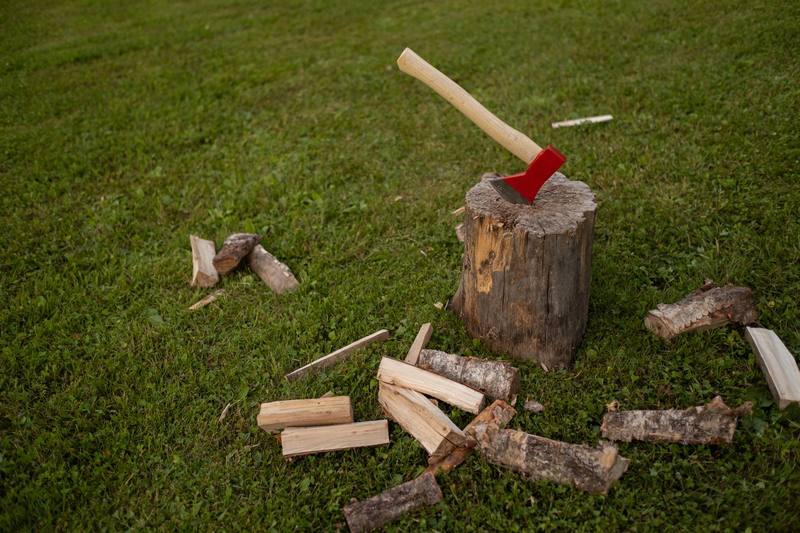
Yes. We cut up the fallen wood, remove the brush and debris, and clean up the work area before we leave. If you want to keep some of the wood for firewood or mulch, tell us at the walk-through.
Yes. We can grind the stump and the main roots below the soil line on the same visit or come back later. If the root plate was pulled up, we will cut it down and grind what is left so the spot can be levelled.
Often it will, as long as the crown, where new fronds grow from, is still healthy. If the crown is broken or the trunk is cracked, the palm usually will not recover and is better removed before it fails.
Get Started
Send us a photo of the stump
Take a picture with something next to the stump for scale, tell us what you want in that spot, and we will get back to you with a quote. You can also call during business hours.