Stump Grinding in Clearwater, FL
We grind tree stumps below ground level across Clearwater so you can mow, plant or lay sod over the spot.
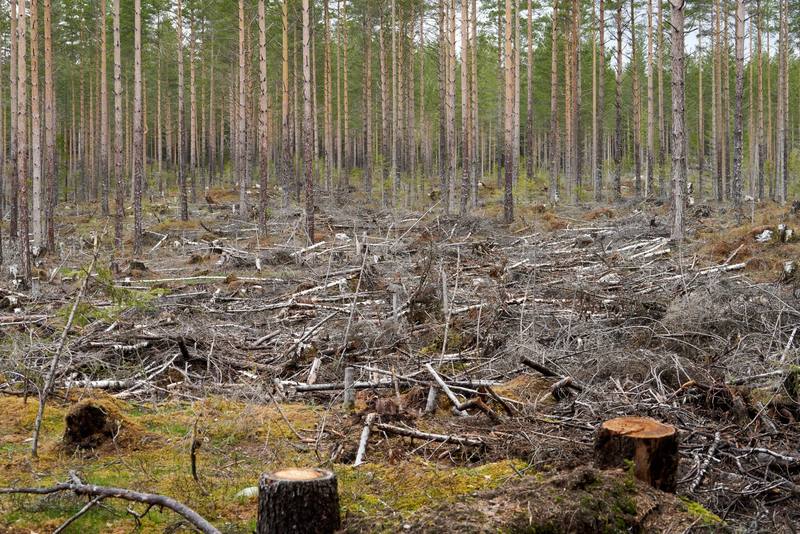
An old stump gets in the way of mowers, sends up new shoots and can draw termites toward the house. We grind oak, camphor, citrus and palm stumps below grade and leave the chips where you want them. Send us a photo and we will tell you what the job involves.
What stump grinding does and what it leaves behind
Stump grinding takes a stump down below the soil line with a spinning wheel fitted with hardened teeth. The wheel chews the wood into chips. It works side to side and goes a little deeper on each pass until the stump sits under the surface. The main roots below that point stay in the ground and break down slowly over the next few years.
That is the real difference between grinding and Stump Removal. Removal digs out the stump and its main roots and leaves a large hole to fill. Grinding is quicker, disturbs less of the yard, and suits most stumps in a lawn or planting bed. If you plan to pour a slab, add a pool or set footings in that exact spot, removal is usually the better choice.
Grinding also makes more mess than people expect. A medium stump can turn into a sizable mound of chips mixed with sand. You can keep them as mulch, use them to backfill the hole, or ask us to haul them off. We settle that with you before we start.
Signs an old stump is worth dealing with
Plenty of stumps sit for years without causing trouble. In Clearwater's warm, wet climate, though, a stump tends to stay active. These are the signs to look for:
- New shoots or suckers coming up around the base or from roots out in the lawn
- Soft, crumbling wood, mushrooms or shelf fungus, which mean decay is moving through the roots
- Ants, beetles or termite mud tubes on the stump or the ground beside it
- A low stump hidden in the grass that catches mowers, ankles or trimmer line
- Surface roots lifting pavers, edging or the end of a driveway
What makes stump grinding in Clearwater different
Most stumps we see around Clearwater come from laurel oaks, live oaks, camphor trees, citrus and palms. Live oak is dense and hard, so it grinds slowly, and it spreads wide roots near the surface. Laurel oak is softer, and by the time one comes down it has often started to rot inside, which is usually why it was cut. Camphor tends to send up shoots from its roots if the stump is left.
The ground matters as much as the tree. Pinellas soil is mostly sand, which is easy to grind through but rough on the cutting teeth. Older yards often hide shell, limestone, buried concrete or old fence footings close to the stump. In low-lying parts of town and near the water, you can hit damp ground only a short way down. None of this stops the job, but it changes how long it takes and how deep we can sensibly go.
Layout is the other factor. Many homes here are single-storey block houses on compact lots, with fenced back yards and a narrow side gate. Before we arrive, we need to know the narrowest opening the machine has to pass through. We also ask about sprinkler lines, pet fences and low-voltage lighting, because they are often laid right past an old tree. Underground utilities need to be marked through the free 811 service before any grinding starts.
Palm stumps are a different job
Palms do not grow like oaks. There is no woody root ball, just a dense mass of thin, fibrous roots under a soft, stringy trunk. A palm stump often rots on its own faster than a hardwood stump, and the fibres can wrap around a grinding wheel instead of chipping cleanly.
For a single palm stump in a lawn, grinding still works well. Where several palms grow in a cluster, or the stump sits tight against a wall or pool deck, digging it out can be the neater option. If the palm is still standing, a Palm Tree Removal visit can include the stump so it is all handled at once.
Grind it, remove it or leave it
Not every stump needs to go. You can leave a sound stump in a back corner to rot if it has no sprouts and nothing growing on it, and that costs you nothing.
- Grind it if the stump is in a lawn, a garden bed or a path, or if you want to replant a few feet away.
- Choose Stump Removal if you are building, pouring concrete or planting a new tree in the same hole.
- Leave it if it is out of the way, solid and not sending up shoots, and check it once or twice a year.
What a visit involves
Most jobs start with a call or a few photos. Send one of the stump with something next to it for scale, and one of the route from the street to the stump. That is usually enough for a quote, though larger or awkward jobs may need a quick look in person.
On the day, we check the utility marks, clear stones and debris from around the stump, and set up the grinder. We grind below grade and follow any large surface roots you want gone. Then we rake out the chips, leave them or remove them as agreed, and walk the spot with you before we leave.
We work Monday to Friday from 7:00 AM to 7:00 PM and Saturday from 8:00 AM to 5:00 PM. We do not offer after-hours service. If a storm brings a tree down overnight, call when we open and we will tell you when we can get there.
After the grind: settling, sod and replanting
The ground over a ground-out stump settles as the chips and remaining roots break down. Expect a slight dip over the next season or two, and top it up with soil as needed.
If you want St. Augustine sod to take over the spot, rake out most of the chips and fill with topsoil first. Fresh wood chips draw nitrogen from the soil as they rot, which can leave new grass thin and yellow. Plant a new tree a few feet to one side, where the old roots are not in the way.
FAQ
Common questions about stump grinding
We grind below the soil line, deep enough to lay sod or a garden bed over the spot. How far down depends on what is under the stump: sand grinds easily, but rock, shell or a high water table can limit depth. Tell us what you plan to put there and we will grind for that.
Yes, if you want them gone. Many people keep some to fill the hole or use as mulch in beds. We agree on cleanup before we start so there are no surprises.
Most hardwood stumps stop sprouting once the crown is ground out. Some trees, including camphor, can still send up shoots from roots left in the lawn. Clipping those at ground level for a season usually wears the roots out.
Usually, yes. We need to know the width of the narrowest gate or gap on the way in, and whether there are steps or a slope. Send a photo of the route along with one of the stump.
Not always. If the stump is easy to reach and utilities are already marked, we can work while you are out, once we have agreed on chip cleanup and any roots to follow. We do ask that pets stay indoors while the machine is running.
Get Started
Send us a photo of the stump
Take a picture with something next to the stump for scale, tell us what you want in that spot, and we will get back to you with a quote. You can also call during business hours.