Do I need a permit to remove a tree in Clearwater?
Often, yes: Clearwater regulates the removal of many trees on private property, so check with the city before a healthy, good-sized tree comes down, though small trees, some palms and trees that pose a documented danger may be handled differently.
This question usually comes up after a storm, or when a tree has grown too close to the house or the pool cage. The rules are not hard to follow, but they depend on the tree, where it stands and which jurisdiction your lot is in. Here is how to work out where you stand before anyone starts cutting.
The short answer
In Clearwater, assume you may need a permit to remove a tree until you have confirmed otherwise. The city's development code protects many trees on private land, including residential lots, and removing a protected tree without approval can bring a fine and a requirement to plant replacement trees.
Not every tree is covered. Whether yours is depends mostly on the species, the size of the trunk and whether the tree is dead, dying or dangerous. Small ornamental trees and some palms are often treated differently from a large live oak. The thresholds and the list of exempt species can change, so the city's planning and development office is the place to get the current answer for your tree.
Trimming is a separate question. Routine pruning usually does not need a permit, but heavy cutting that ruins a protected tree's crown can be treated the same as removing it.
What changes the answer on a real property
The first thing to check is which rules apply to your address. A Clearwater mailing address does not always mean you are inside city limits. Parts of the area are unincorporated Pinellas County, and nearby towns such as Dunedin, Largo, Safety Harbor and Belleair each have their own tree rules. Your property tax record will show the jurisdiction.
Florida state law also matters. A state statute says a local government cannot require a permit or a replacement tree for removing a tree on residential property when the owner has documentation from a certified arborist or a Florida licensed landscape architect that the tree presents a danger to people or property. That written assessment is the key piece. Without it, the normal city process applies. Keep the documentation, because you may be asked for it later.
Other things can change the answer even when the city says yes. Many neighbourhoods around Clearwater have a homeowners' association with its own rules about trees, sometimes stricter than the city's. Trees in the strip between the sidewalk and the street may belong to the city. Trees close to power lines are a matter for the utility, and nobody should cut near energised lines. Waterfront lots can bring extra rules for mangroves and shoreline vegetation, which are protected separately.
What you can check yourself
Start by identifying the tree. A live oak, a laurel oak, a slash pine and a queen palm are treated very differently, both by the code and by the weather. If you are not sure, a photo of the leaves and bark is usually enough for someone to tell you.
Measure the trunk. Wrap a tape measure around it at about four and a half feet off the ground, then divide by a little over three to get the diameter. Size thresholds in tree codes are usually written in diameter at that height.
Look at the tree's condition. Signs worth noting are mushrooms or soft, crumbling wood at the base, large dead limbs, cracks running through the trunk, a lean that has got worse since the last storm, and roots lifting on one side. In Clearwater, laurel oaks in particular tend to decay from the inside as they age, and a tree can look full on top while the trunk is hollow.
Then check your HOA documents and your property survey for easements. Ten minutes with those papers can save a dispute with a neighbour or the association.
When it needs a professional
Get a professional involved if the tree is large, close to the house, the pool cage, the fence line or a power line, or if it is leaning toward anything you care about. Felling a big tree on a tight lot is controlled work. It is usually taken down in sections, with each piece lowered rather than dropped.
You also need a professional opinion if you plan to rely on the danger exemption, since the state law requires that written assessment from a certified arborist or licensed landscape architect. Ask whoever comes out whether they can provide one, or whether you should arrange it separately.
After a storm, be careful with trees that are partly down or hung up in other trees. The wood is under tension and can spring when cut. Emergency removals after a hurricane are often handled more flexibly by local governments, but take photos of the damage before anything is cleaned up so you have a record.
How this fits with what we do
When a tree does need to come down, our Tree Removal work starts with a look at the tree and the space around it, and a plain conversation about whether the permit question has been settled. We would rather wait a few days for paperwork than take down a tree that should have had approval.
Once a tree is down, the stump is still there. Stump Grinding takes it below the surface so you can lay sod, put down mulch or replant in the same area. Stump grinding itself does not usually need a permit, since the tree has already been removed, but if a replacement tree is required, it is worth planning where it will go before the grinding is done.
Storm Cleanup is the other common reason people call us in Clearwater. If a storm has brought a tree down, we can clear what is on the ground and tell you plainly what is safe to leave and what needs attention.
Related questions
Routine pruning, such as removing dead branches or lifting limbs off the roof, usually does not need a permit. Cutting so heavily that a protected tree is effectively destroyed can be treated like removal. If you plan major cutting on a large tree, check with the city first.
It depends on the species and the local code, and palms are often treated differently from shade trees like oaks. Check the current rules for your address before removing one. A palm that is dead or leaning badly after a storm may fall under the danger exemption with the right documentation.
Local governments can issue fines and may require you to plant replacement trees. The cost of fixing it afterwards is usually higher than going through the process first. If you are unsure, a phone call to the city's planning office before the work starts is the simplest protection.
Often, yes. Many associations have their own landscaping rules, and the city's approval does not override them. Read your HOA covenants or ask the management company before scheduling the work.
Usually not, because the tree has already been removed and the stump is what is left. If the removal itself needed approval, make sure that was sorted out, and keep in mind any replacement planting the permit required.
Services
How we can help in Clearwater
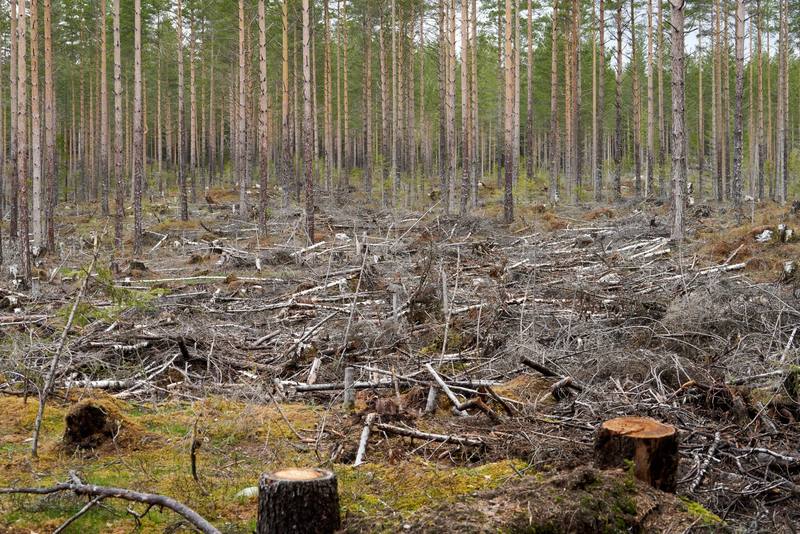
Stump Grinding
Stumps ground below grade so you can plant, sod or pave over the spot.
Learn more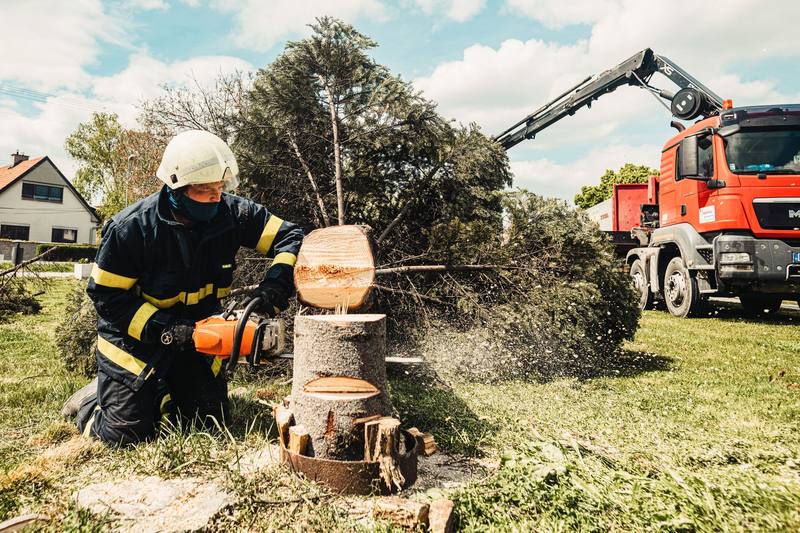
Stump Removal
Full stump and root ball extraction where a new structure, driveway or utility line is going in.
Learn more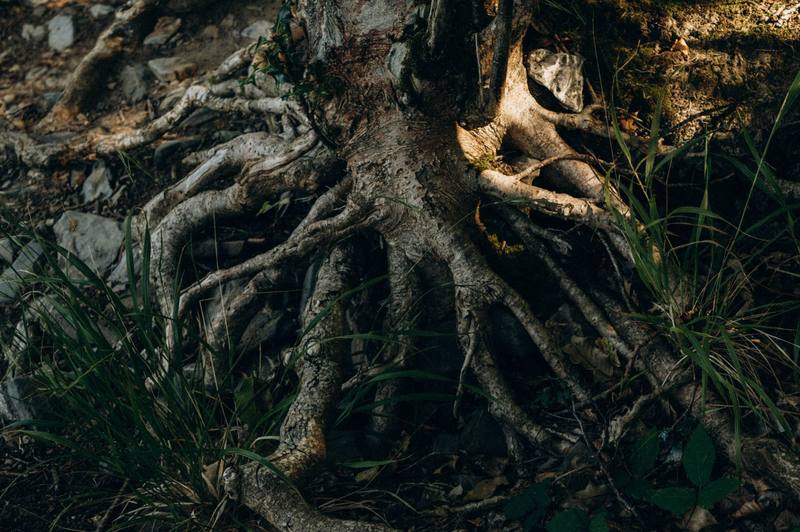
Root Grinding
Surface roots that lift walks, patios and lawns ground down and cleaned up.
Learn more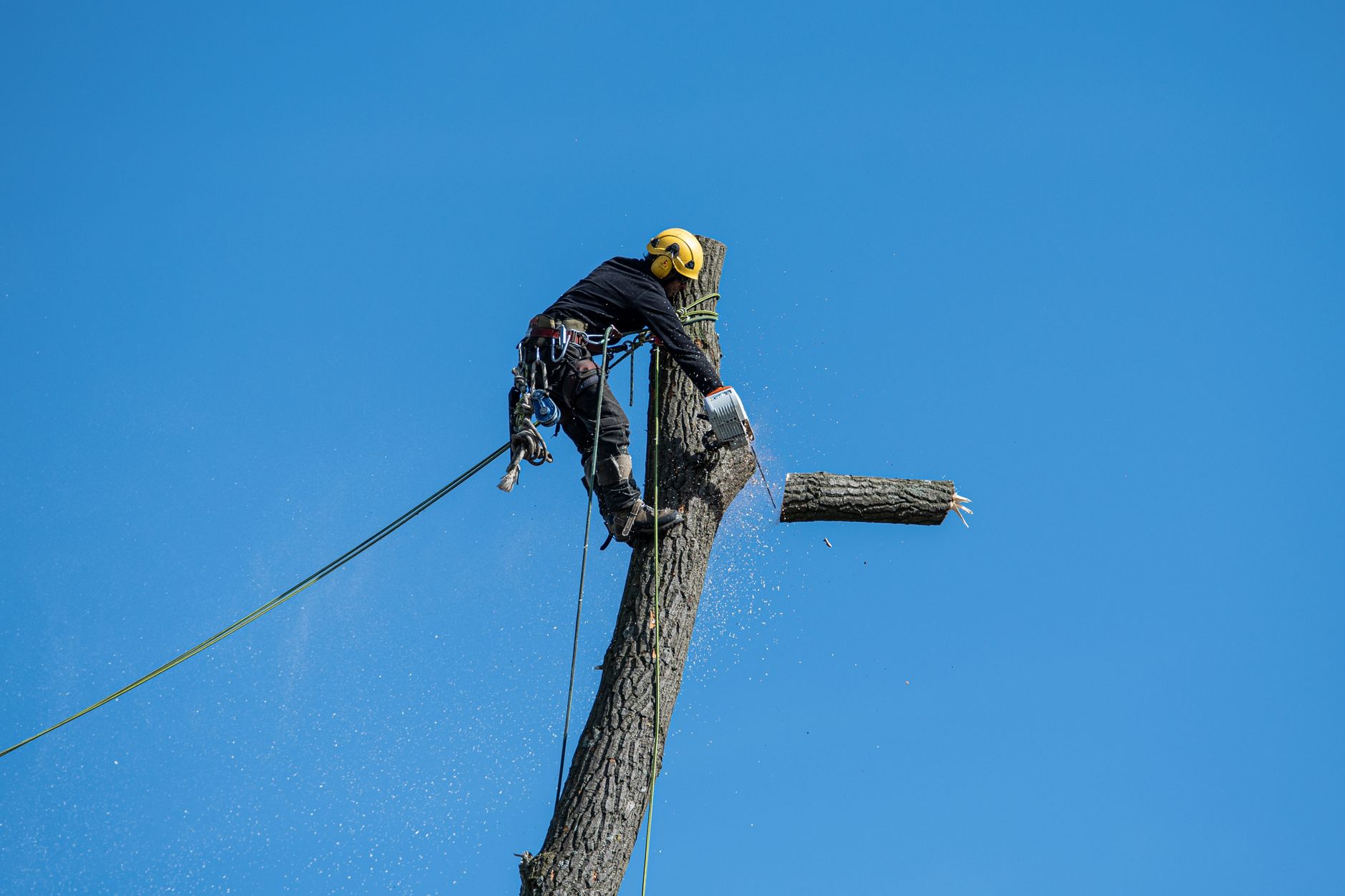
Tree Removal
Dead, leaning or in-the-way trees taken down in sections and hauled away.
Learn more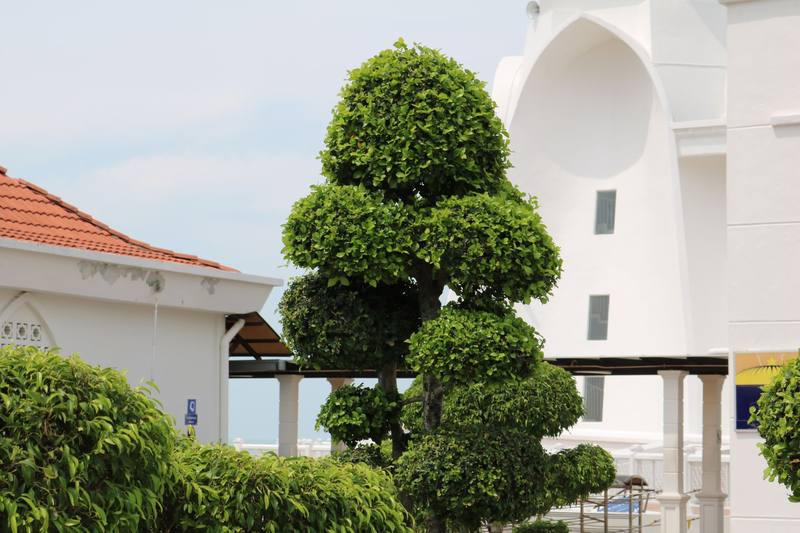
Tree Trimming
Crown cleaning, deadwood removal and clearance from roofs and lines.
Learn more
Lot Clearing
Brush, small trees and stumps cleared from lots and fence lines.
Learn more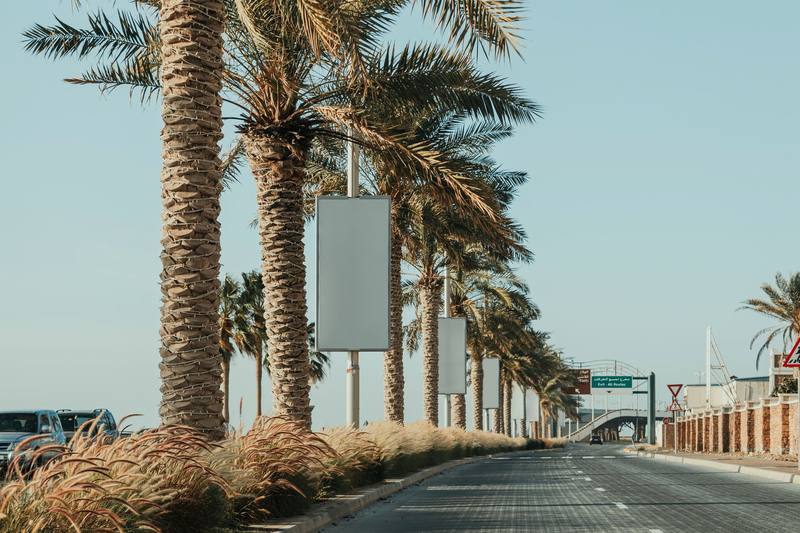
Palm Tree Removal
We take down dead, diseased and unwanted palms around Clearwater and deal with the stump so you can use the ground again.
Learn more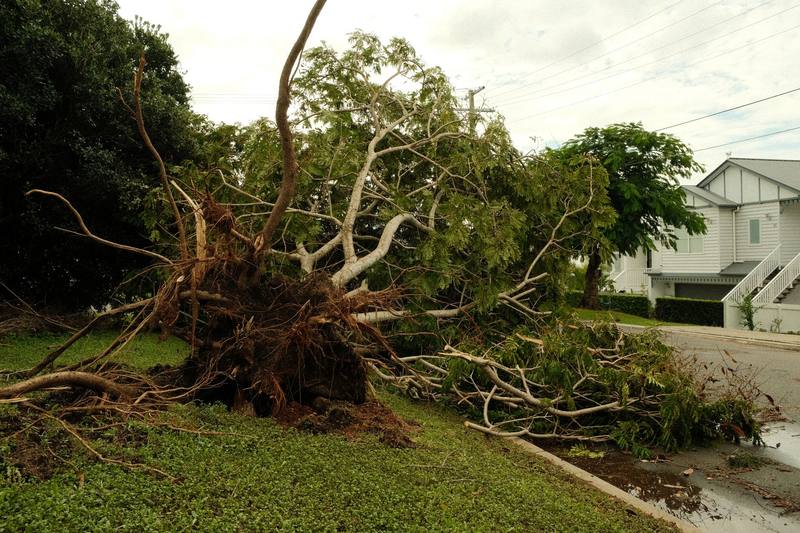
Storm Cleanup
Fallen limbs and uprooted trees cut, cleared and the stumps ground after a storm.
Learn more
Get Started
Send us a photo of the stump
Take a picture with something next to the stump for scale, tell us what you want in that spot, and we will get back to you with a quote. You can also call during business hours.