How deep should a tree stump be ground down?
For a lawn, grind the stump 4 to 6 inches below the soil; go deeper, often 8 to 12 inches or more, if you plan to plant a tree, build a bed or lay pavers in that spot.
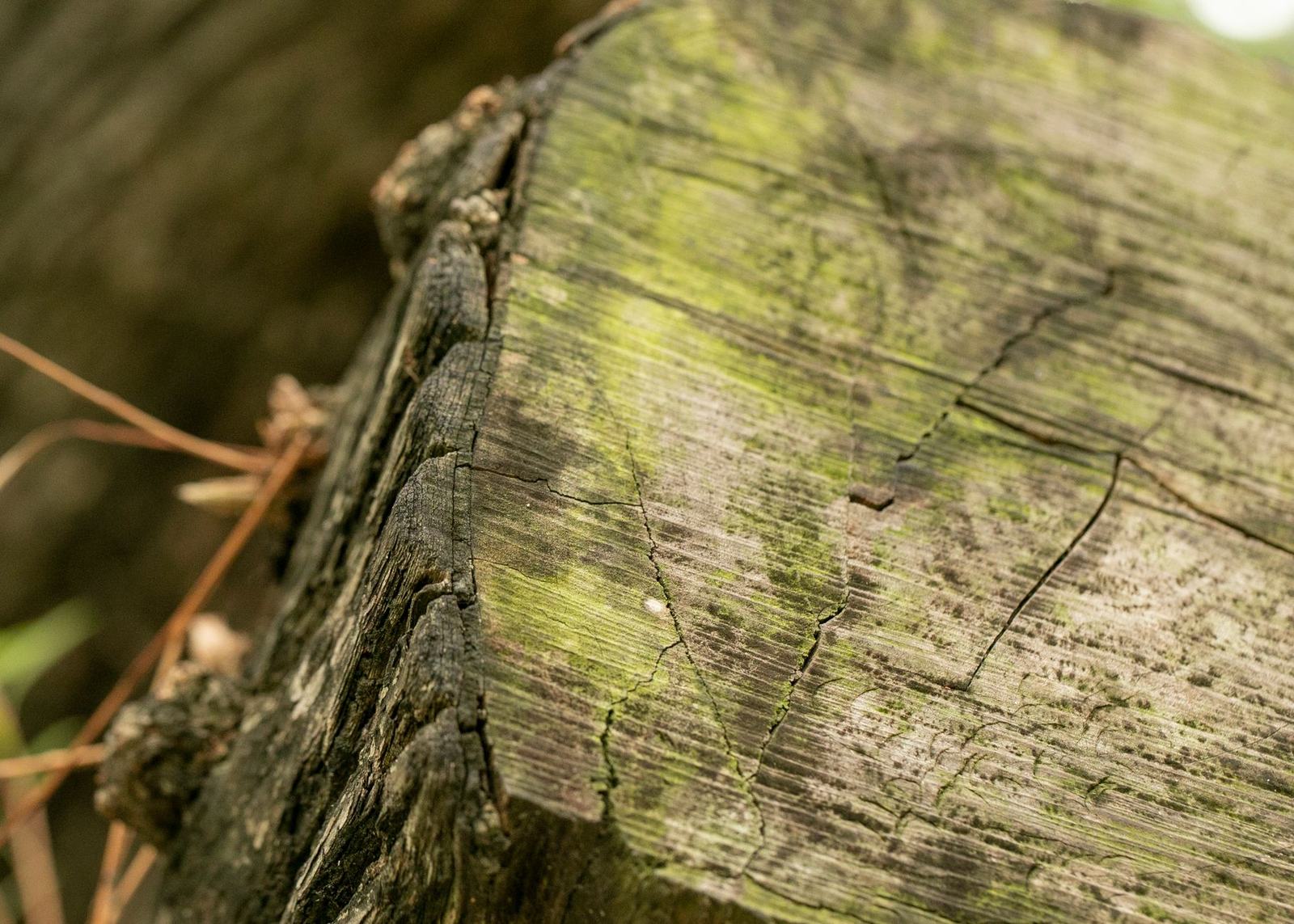
Most Clearwater homeowners just want the stump gone and grass growing over the spot again. How deep to grind depends on what you want to do with that ground next, what is buried near it, and what kind of tree it was. Here is how we think it through before the grinder touches the wood.
The plain answer
If the spot is going back to lawn, 4 to 6 inches below the surrounding soil is usually enough. That leaves room for a layer of topsoil and new sod or seed, and it takes out the part of the stump that would otherwise poke up as the soil settles.
If you want something else there, go deeper. A new tree needs clean soil for its root ball, so the old stump and its main roots should come out well below the depth of the hole you plan to dig. Garden beds, paver patios, walkways and fence posts each need enough clear ground that they will not sit on rotting wood. Rotting wood sinks over time, and whatever sits on top of it sinks too.
What changes the answer on a real property
The first question we ask is what you plan to do with the spot. After that, a few things on the property decide how deep we can go and how much extra grinding makes sense.
A stump that sits near a driveway, slab, sidewalk or pool deck may have roots running under the concrete. Grinding hard against a slab edge can chip it, so we may stop short and grind the exposed roots separately. Buried lines matter too. Irrigation pipe, low-voltage lighting wire and shallow utility runs are common near trees, and they are easy to hit with a grinder wheel.
- Planned use: lawn, bed, new tree, pavers or a structure
- Nearby hardscape: driveways, slabs, walls and pool decks
- Buried lines: irrigation, lighting wire and utilities
- Surface roots that run out across the yard
What is different about stumps in Clearwater
Sandy soil and a wet summer season mean a ground-down stump breaks down fairly fast here, and the soil above it settles as it does. A shallow grind on a big oak can leave a dip in the lawn a year later. Grinding a little deeper and backfilling with real topsoil, not just the wood chips, helps the patch stay level.
Palms are their own case. A palm stump is fibrous, not solid wood, and it does not send out thick spreading roots the way an oak or laurel oak does. It usually grinds out cleanly, but the mass of small roots below it can make a soft spot if the hole is not filled and packed well. Oaks are the opposite. Their roots often run near the surface across a St. Augustine lawn, and those roots may need attention well away from the stump itself.
What you can check yourself before calling
You can save time and get a clearer quote by looking at a few things first. None of this needs tools beyond a tape measure and a few flags.
- Measure across the stump at ground level and note how high it stands
- Walk out from the stump and look for roots breaking the surface or lifting the grass
- Find your sprinkler heads and valve boxes near the tree and mark them
- Contact 811 before any digging or grinding so buried utilities get marked
- Decide what you want in that spot so the depth can match it
- Take a couple of photos from different angles to send with your quote request
When it needs a professional
Small, old, mostly rotten stumps can sometimes be dug out by hand. Anything larger, still solid, close to a structure or in a yard with buried lines is a job for a proper grinder and someone who has run one many times. The machine throws wood and stone hard, and a wheel that catches a pipe or a slab edge can do real damage quickly.
A visit is simple. We look at the stump, ask what you want there afterward, check for marked utilities and hardscape, and agree on the depth before we start. After grinding, the chips can be raked back into the hole or hauled off, and the spot can be topped with soil so it is ready for sod or planting.
How this fits the work we do
Most jobs are straight Stump Grinding, taken to the depth that suits your plans. When roots run out across the lawn or lift a walkway, Root Grinding takes care of those separately so the yard is level again. If you need the whole root ball out, for example before setting a new tree in the same spot, that is closer to full stump removal, and we will tell you plainly if grinding alone will do the job.
If you are not sure how deep your stump should go, send us a photo and tell us what you want in that spot. We will give you a straight answer for your yard in Clearwater or nearby.
Related questions
Yes, but the grind needs to go deeper than it would for lawn, and the wood chips should be cleared out and replaced with good soil. Fresh chips pull nitrogen from the soil as they break down, which can slow a young tree. Planting a little to one side of the old stump also helps.
For a lawn patch, some chips mixed into the hole are fine, but top them with several inches of soil before laying sod. The chips break down and settle, so a hole filled only with chips will usually sink. For planting or pavers, clear the chips out and backfill with soil.
Most hardwood stumps stop growing once the stump is ground below the soil, and the roots slowly rot in place. Some trees can send up sprouts from the remaining roots for a while, and pulling or cutting them back usually ends it. Palms do not regrow from a ground stump.
In sandy Clearwater soil with regular rain, you may see some settling within the first several months. Packing soil well when you backfill and topping up any low spot later keeps the lawn level. Larger stumps leave more wood behind and tend to settle more.
Services
How we can help in Clearwater
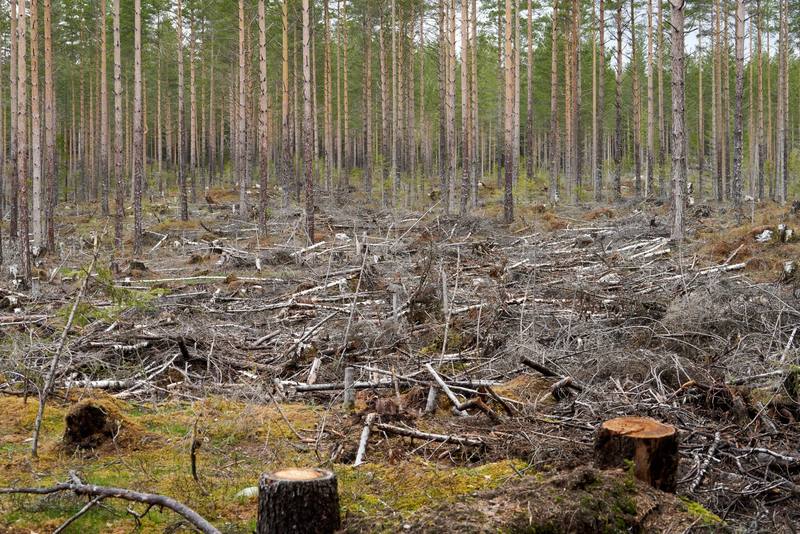
Stump Grinding
Stumps ground below grade so you can plant, sod or pave over the spot.
Learn more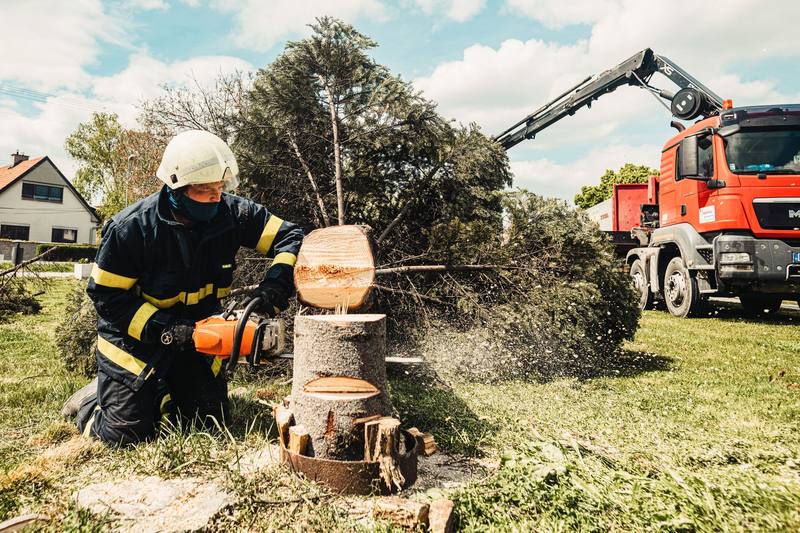
Stump Removal
Full stump and root ball extraction where a new structure, driveway or utility line is going in.
Learn more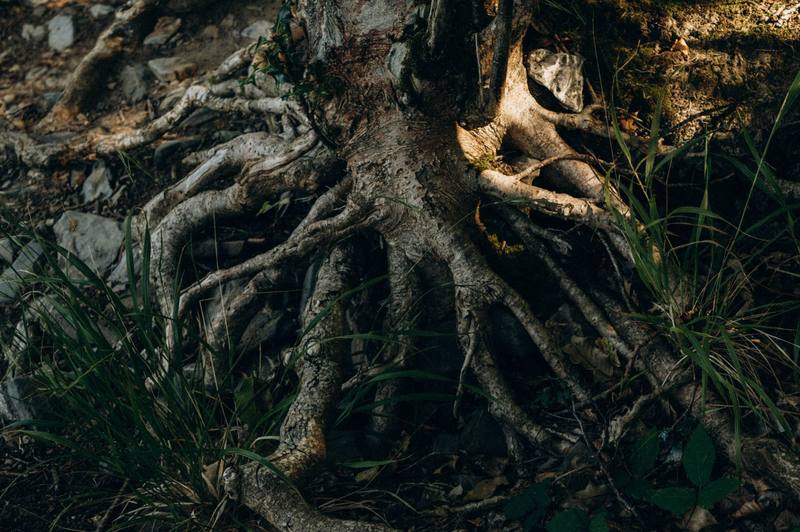
Root Grinding
Surface roots that lift walks, patios and lawns ground down and cleaned up.
Learn more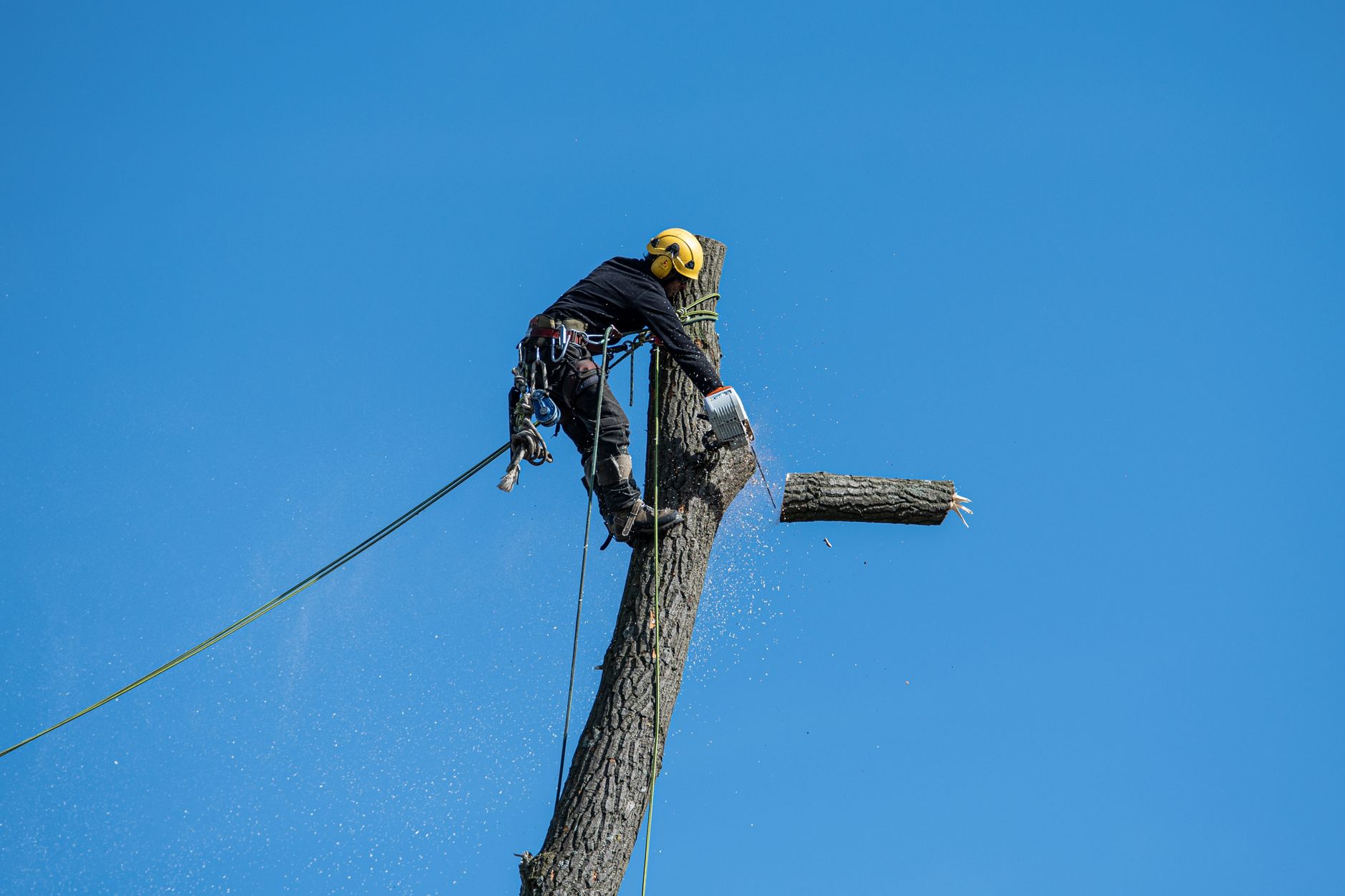
Tree Removal
Dead, leaning or in-the-way trees taken down in sections and hauled away.
Learn more
Tree Trimming
Crown cleaning, deadwood removal and clearance from roofs and lines.
Learn more
Lot Clearing
Brush, small trees and stumps cleared from lots and fence lines.
Learn more
Palm Tree Removal
We take down dead, diseased and unwanted palms around Clearwater and deal with the stump so you can use the ground again.
Learn more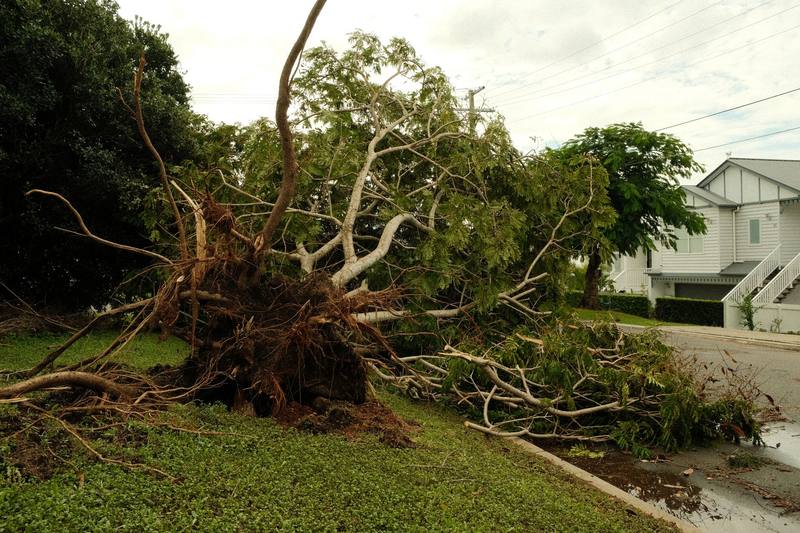
Storm Cleanup
Fallen limbs and uprooted trees cut, cleared and the stumps ground after a storm.
Learn more
Get Started
Send us a photo of the stump
Take a picture with something next to the stump for scale, tell us what you want in that spot, and we will get back to you with a quote. You can also call during business hours.