How do I get rid of a palm tree stump?
The quickest way to get rid of a palm stump is to grind it below ground and fill the hole with soil, but a small palm stump left in sandy ground will often soften and break down within a few seasons by itself.
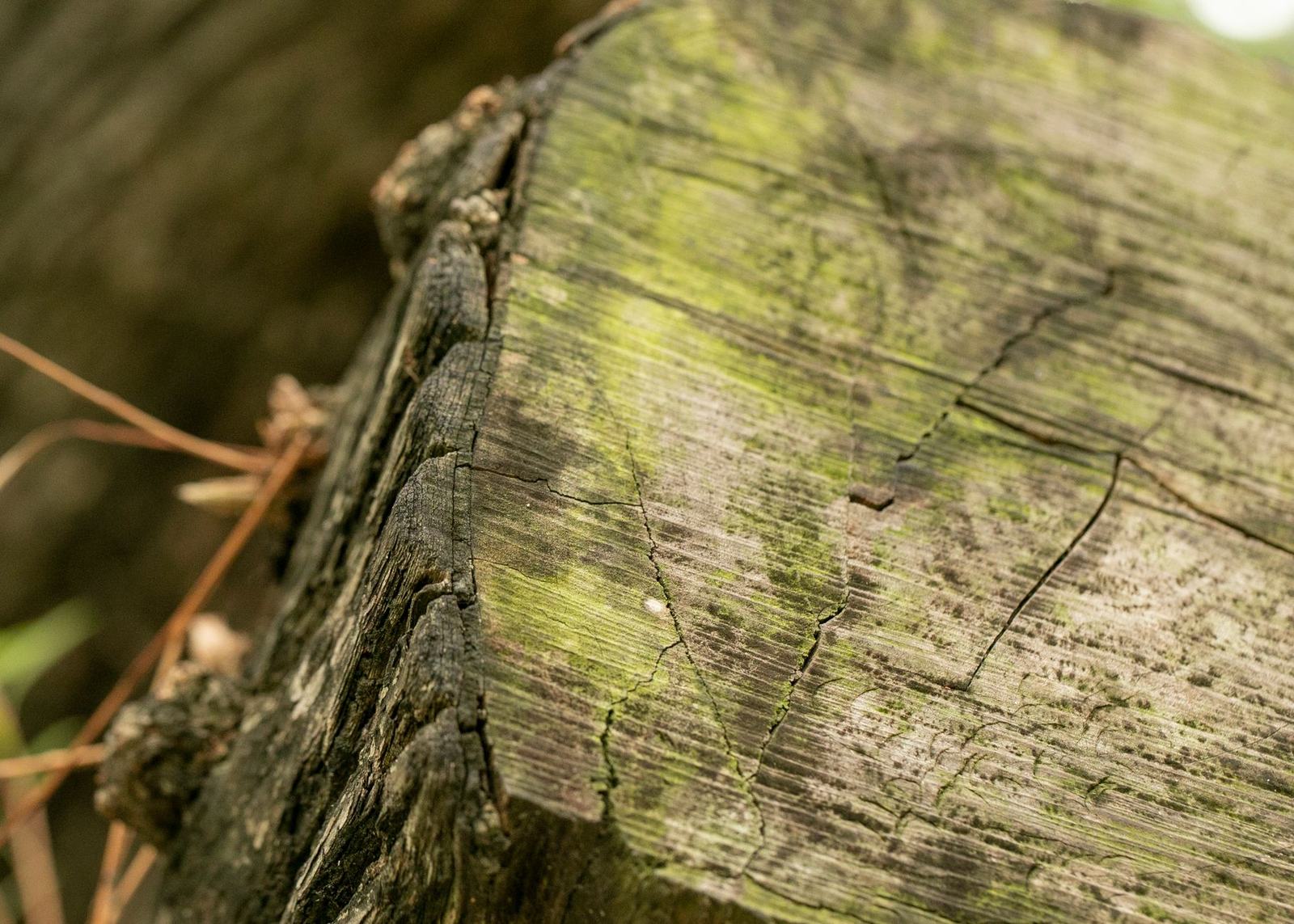
Palm stumps are not like oak or pine stumps. The wood is soft and fibrous and the roots form a dense ball instead of spreading out, so getting rid of one is usually easier than people expect. In Clearwater, the main questions are what you want to do with the spot afterwards and what is buried around it.
The short answer
A palm stump goes one of three ways: you grind it out, you dig it out, or you leave it to rot. Grinding is the most common choice. A grinder chews the stump down to a few inches below the soil line, and you fill the hole with topsoil and plant grass or a new bed over it.
Digging works for small palms, because a palm has no taproot. Its roots are a mass of thin, rope-like strands growing out from the base, and most of them sit fairly shallow. With a sharp spade, a mattock and a free afternoon, you can lever out a short stump from a young palm.
Leaving it is a fair option too. Palm wood is spongy and holds water, and in a warm, damp climate it softens faster than most hardwood. Lots of homeowners simply cut it flush and let it break down. Expect it to stay soft and uneven underfoot while that happens, and expect some insects to move in.
What changes the answer on a real property
Size matters more than anything else. A stump from a small palm a few inches across is a different job from the base of a tall, mature palm, which can be wide and heavy with a big root ball.
Then there is what you want to do with the spot next. To plant a new palm or tree in the same place, the old root mass has to come out, and grinding deep is the normal way to do that. For lawn over the top, a shallower grind and fresh soil is usually enough.
What surrounds the stump counts as well. Palms are often planted along driveways, against pool decks, beside lanais and close to the house. A stump touching pavers or a slab limits what tools fit, and grinding close to concrete calls for care. Irrigation is another common one in Pinellas County yards: drip lines and sprinkler pipe often run right beside a palm, and they sit shallow.
- Trunk width at the base and how far the root ball spreads
- Whether you want to replant in the same spot
- Distance to pavers, pool decks, slabs and fences
- Irrigation lines, low-voltage lighting and buried cable nearby
- Whether the palm is a single trunk or a clustering type that sends up new shoots
What you can check yourself
Before you call anyone, take a good look at the stump and the ground around it. Push a screwdriver into the top. If it sinks in easily, the stump is already breaking down and may not need much work. If it is hard, it was probably cut recently.
Look for new growth. Most single-trunk palms do not sprout again from a cut stump, but clustering palms can keep pushing up new shoots from the base. If you see green shoots, the roots are still alive and the stump will not simply fade away.
Find your sprinkler heads and follow where the lines run. Look for lighting wire, a nearby utility box or anything else that could be buried. In Florida you should contact Sunshine 811 before digging so underground utilities can be marked. Check access too. A narrow side gate or a fenced backyard changes which equipment can get to the stump.
When it needs a professional
Small, soft stumps in open ground are a reasonable weekend project. It makes sense to bring in help when the stump is large, when it sits hard against a structure or pool deck, when you need the root ball fully removed to replant, or when there are pipes and cables you cannot work around safely.
Rented grinders can struggle with palm wood. The stringy fibres tend to wrap and pull instead of chipping cleanly, and the result is a ragged hole and a slow job. A larger machine run by someone who grinds palms often will usually finish quicker and leave cleaner ground. The leftover material is fibrous and goes well as mulch or fill, but it should not be packed straight back in as the only fill under turf, because it settles as it breaks down.
Safety is the last reason. Grinders throw debris, and palms are often close to windows, cars and screened enclosures. A professional sets up shields and clears the area before starting.
How this fits with our services
Most palm stumps we see in Clearwater are handled with Stump Grinding: we grind the stump below grade, clear the chips the way you ask, and leave the hole ready for soil. If you want the whole root ball out so you can replant in the same spot, that is closer to Stump Removal, and we can talk through which one suits your plans.
If the palm is still standing, Palm Tree Removal covers taking it down safely and dealing with the stump in the same visit. That is often simpler than doing the two jobs separately, especially after a storm has left a palm leaning or damaged.
What a visit looks like
We start by looking at the stump, the access and anything buried nearby. We ask what you want the area to become, because that decides how deep we grind. Once you are happy with the plan, we set up, grind, and go over the cleanup with you before we leave.
If you are not sure whether your stump needs grinding at all, send us a photo or give us a call. Sometimes the honest answer is to leave it for a season and see how it breaks down.
Related questions
Most single-trunk palms, such as many of the common ones in Clearwater yards, do not regrow once the trunk is cut. Clustering palms are different and can keep sending up shoots from the base. If you see new green growth after cutting, the roots are still alive and grinding is the surest fix.
It depends on the size of the stump and how wet the ground stays, so there is no fixed timeline. Palm wood is soft and holds moisture, so it usually breaks down faster than a hardwood stump. You can speed it up a little by keeping it damp and covering it with mulch.
Yes, but the old root ball should be ground out or dug out first, and the hole filled with fresh soil. Planting straight into old, decaying root material leaves the new tree in ground that will keep settling. Tell whoever grinds the stump that you plan to replant so they go deep enough.
Usually, yes, with care. The grinder has to stay clear of the slab or pavers, so a small strip next to the hard surface is sometimes finished by hand. Irrigation lines and wiring near the stump need finding before any work starts.
Services
How we can help in Clearwater
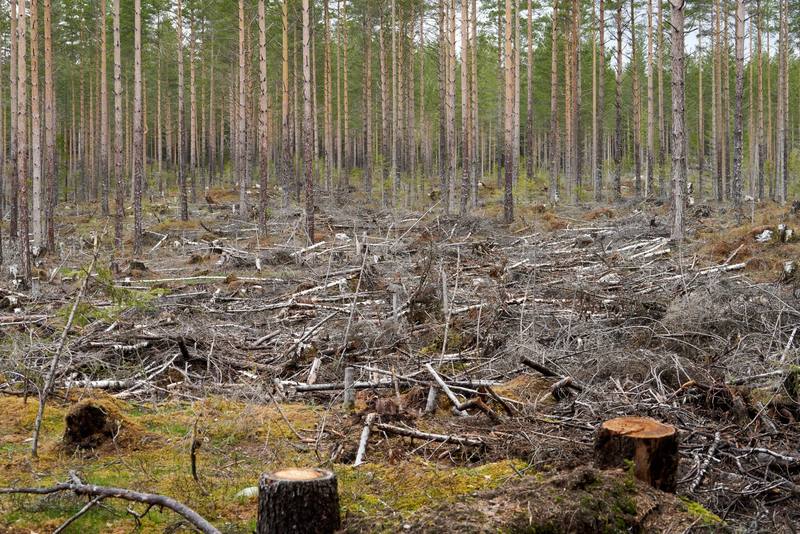
Stump Grinding
Stumps ground below grade so you can plant, sod or pave over the spot.
Learn more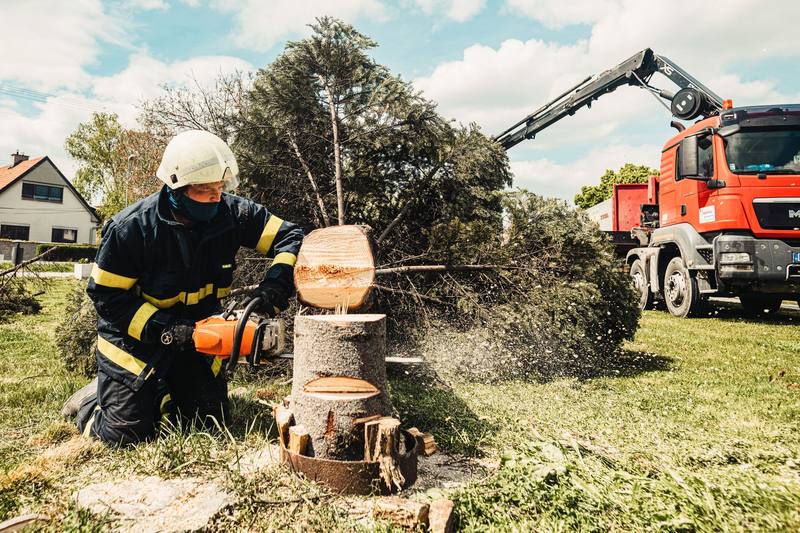
Stump Removal
Full stump and root ball extraction where a new structure, driveway or utility line is going in.
Learn more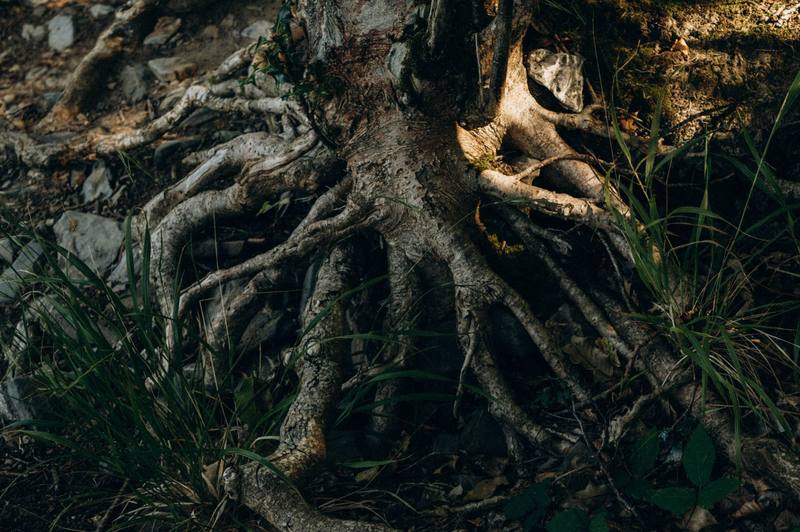
Root Grinding
Surface roots that lift walks, patios and lawns ground down and cleaned up.
Learn more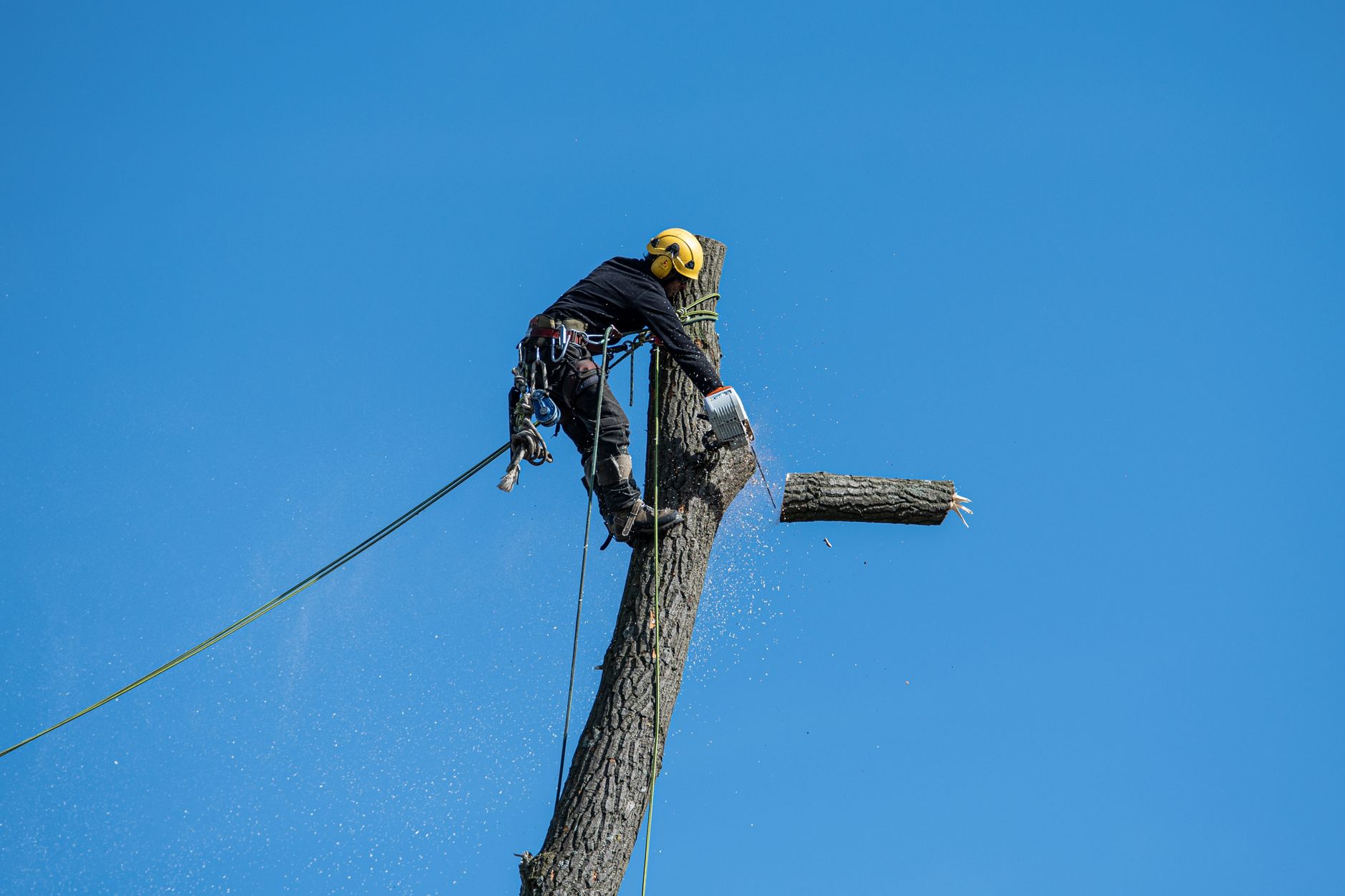
Tree Removal
Dead, leaning or in-the-way trees taken down in sections and hauled away.
Learn more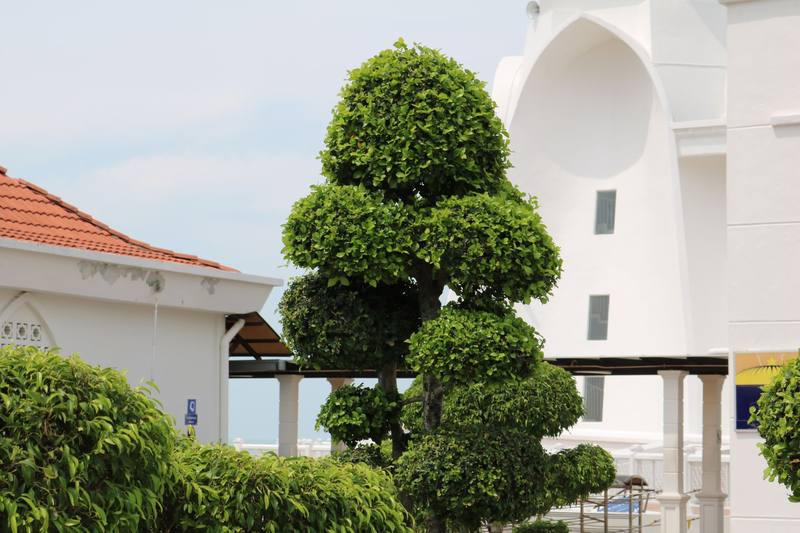
Tree Trimming
Crown cleaning, deadwood removal and clearance from roofs and lines.
Learn more
Lot Clearing
Brush, small trees and stumps cleared from lots and fence lines.
Learn more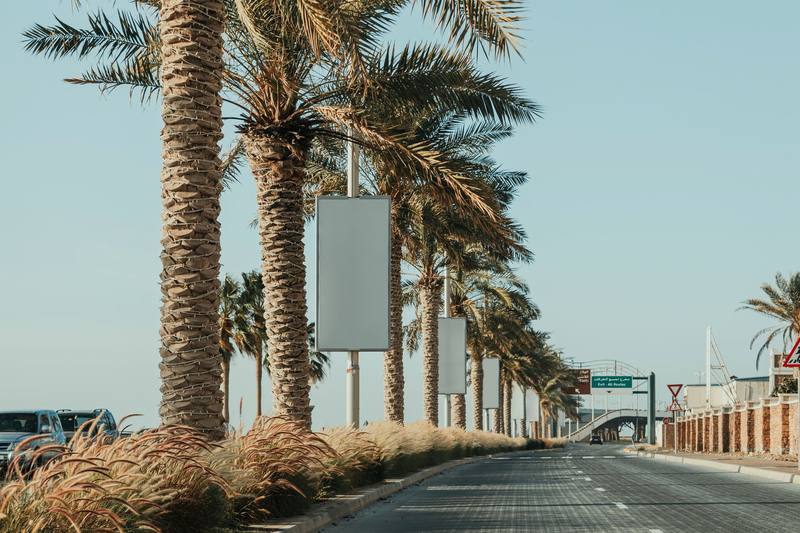
Palm Tree Removal
We take down dead, diseased and unwanted palms around Clearwater and deal with the stump so you can use the ground again.
Learn more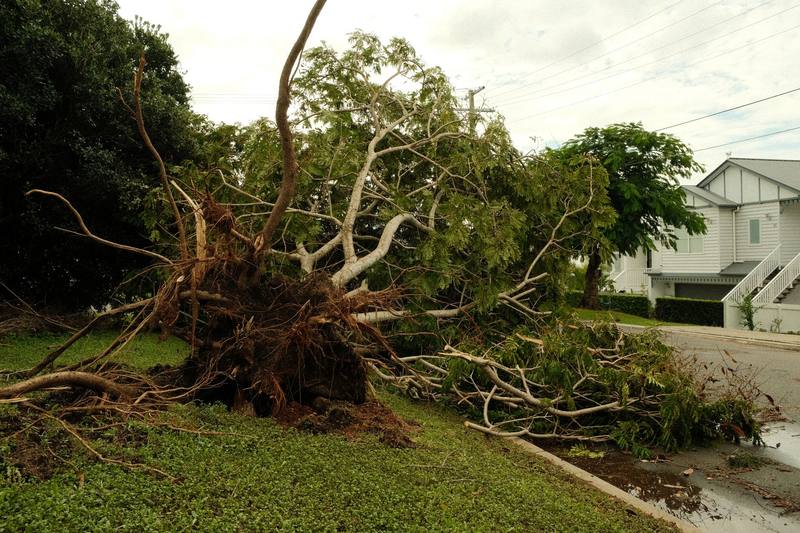
Storm Cleanup
Fallen limbs and uprooted trees cut, cleared and the stumps ground after a storm.
Learn more
Get Started
Send us a photo of the stump
Take a picture with something next to the stump for scale, tell us what you want in that spot, and we will get back to you with a quote. You can also call during business hours.