How many branches can you cut off a tree without killing it?
Most healthy trees can lose up to about a quarter of their live leaves and branches in one year without lasting harm, but cutting more than that, or cutting the wrong branches, can kill a tree slowly.
There is no safe number of branches, because one large limb can carry more leaves than twenty small ones. What matters is how much of the living canopy you take, which branches you take, and how healthy the tree was to begin with. Here is how we think about it on properties around Clearwater.
The short answer
Count leaves, not branches. A tree feeds itself through its leaves, so the real question is how much of its food-making surface you can remove before it struggles. A common guideline among tree workers is to take no more than about a quarter of the live canopy in a single year from a healthy, mature tree. Many careful trimmers stay well under that, often removing much less on older trees.
Dead branches don't count toward that limit. A dead limb isn't feeding the tree, so taking it off costs the tree nothing and usually helps it. The risk comes from removing too much green growth at once. The tree then burns through its stored energy pushing out new shoots, many of them weak and crowded, and it can decline over two or three years. That is why over-pruning rarely looks fatal on the day it happens. The damage shows up later.
What changes the answer on a real property
Age matters most. A young, vigorous tree can recover from heavier pruning than an old one. A mature oak that has stood for decades has less spare energy and closes its wounds more slowly, so it should get lighter cuts spread over several years.
Branch size matters too. A cut through a branch thicker than your wrist leaves a large wound that may never fully close. Decay can get in and work toward the trunk. Several small cuts are kinder to a tree than one big one, even if they remove the same amount of leaf.
Where you cut is as important as how much. A good cut sits just outside the branch collar, the slightly swollen ring where a branch meets the trunk or a larger limb. Cutting flush against the trunk removes that collar and opens the tree to rot. Leaving a long stub is also a problem, because the stub dies back and gives decay a way in.
Topping is the worst case. Cutting the main stems back to stubs to shorten a tree removes a huge share of the canopy at once, and the regrowth is weak and poorly attached. A topped tree often becomes more dangerous in a storm, not less.
In Clearwater, timing and weather add another layer. The long, hot summer and the wet season put trees under stress, and a heavily pruned tree has less shade over its own bark and roots. Many of the oaks here grow in sandy soil with shallow roots, so a tree that is already stressed by drought, root damage from construction, or a recent storm should be pruned lightly or not at all until it recovers.
What you can check yourself
Before you cut, stand back and look at the whole tree. Ask what you are trying to fix: a branch over the roof, a limb blocking the driveway, low growth that hides a window. Removing only what solves that problem usually keeps you well under the safe limit.
Look for dead wood first. Dead branches have no leaves in the growing season, the bark often peels or falls away, and the twigs snap cleanly instead of bending. Taking those off is low risk and is often all a tree needs.
Check the overall health. Thin, small or yellowing leaves, a lot of dead twigs at the top of the crown, mushrooms at the base, or cracks in the trunk all suggest a tree that is already under stress. A stressed tree needs a lighter hand, and sometimes it needs someone to look at it before any cutting happens.
If a tree was heavily cut in the past, look at the regrowth. Dense clusters of thin shoots sprouting from old cut points are a sign the tree was over-pruned. Those shoots are weakly attached and need careful thinning over time, not another hard cut.
Finally, check the rules. Some cities in Pinellas County regulate the pruning or removal of larger trees, so it is worth calling your city before heavy work on a big oak.
Palm trees are a different case
Palms don't follow the same rules as oaks and other branching trees. A palm grows from a single bud at the top, and it relies on its green fronds for food. Cutting off green fronds to make a palm look tidy, often called a hurricane cut, weakens the tree and can leave the trunk thin at the top over time.
As a general habit, take only fronds that are fully brown or hanging well below horizontal, along with seed pods and flower stalks if you want them gone. Leave the green crown alone. Never cut into the bud at the top, because a palm can't grow a new one.
When it needs a professional
Some jobs are worth handing off. Any cut that needs a ladder and a chainsaw at the same time is one of them. So is any branch near a power line, over a roof, or large enough that it could swing or fall unpredictably once cut. Branches under tension, such as a limb bent by a storm, can spring back with real force.
It also makes sense to call someone when you aren't sure whether a tree can recover. A trained eye can tell the difference between a tree that needs a light trim and one that has decay or root problems serious enough that pruning won't help. If a tree has already been badly topped or has lost a large part of its crown in a storm, the right plan may be careful pruning over several seasons, or it may be removal.
How this fits with trimming and removal
Most of the time, the answer is restraint. Our Tree Trimming work around Clearwater, Dunedin and Palm Harbor focuses on removing dead wood, clearing branches off roofs and driveways, and thinning where it helps, while leaving the tree with enough canopy to stay healthy. On larger, older trees we may suggest spreading the work over more than one visit.
When a tree has been cut so hard it can't recover, or decay has reached the trunk, Tree Removal may be the safer choice. If that happens, we can grind the stump afterward so the spot can be replanted or turned into lawn. We would rather tell you a tree can be saved with a lighter trim than take off more than it can handle.
Related questions
Yes. Removing too much live canopy at once forces the tree to use up its stored energy regrowing leaves, and it can decline over the next few years. The damage is often slow, so a tree that looks fine after a heavy cut may still be in trouble.
Generally yes. Dead branches are not feeding the tree, so removing them does not count against the amount of live growth you can safely take. Cut just outside the branch collar and avoid leaving a stub.
No. Palms depend on their green fronds for food, and stripping them weakens the tree. Remove only fronds that are fully brown or hanging well below horizontal, and leave the green crown in place.
For most trees here, the cooler, drier months are easier on the tree than the hot, wet summer. Dead or broken branches that pose a risk can be removed at any time. If a tree is stressed from drought or a storm, it is usually better to wait until it recovers before doing heavier work.
If the trunk is sound and most of the crown is alive, trimming usually makes sense. Large cracks, decay in the trunk, mushrooms at the base, or a crown that is mostly dead point toward removal. When it is unclear, it is worth having someone look at the tree in person.
Services
How we can help in Clearwater
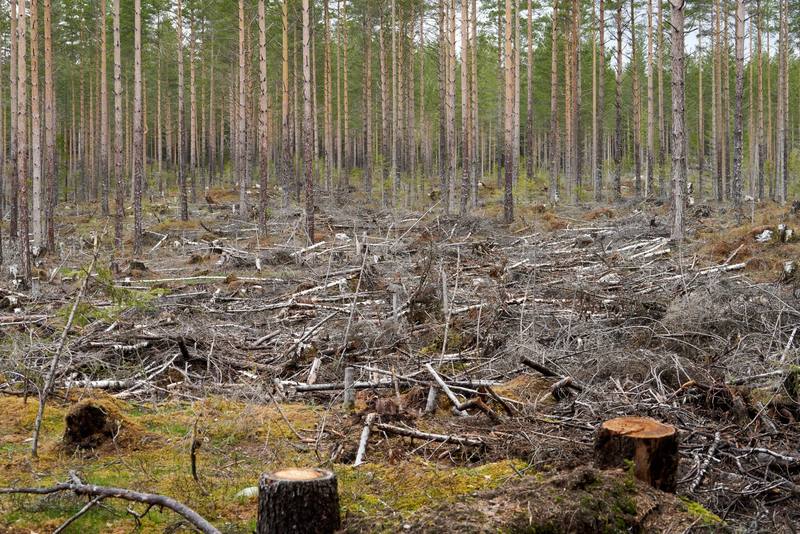
Stump Grinding
Stumps ground below grade so you can plant, sod or pave over the spot.
Learn more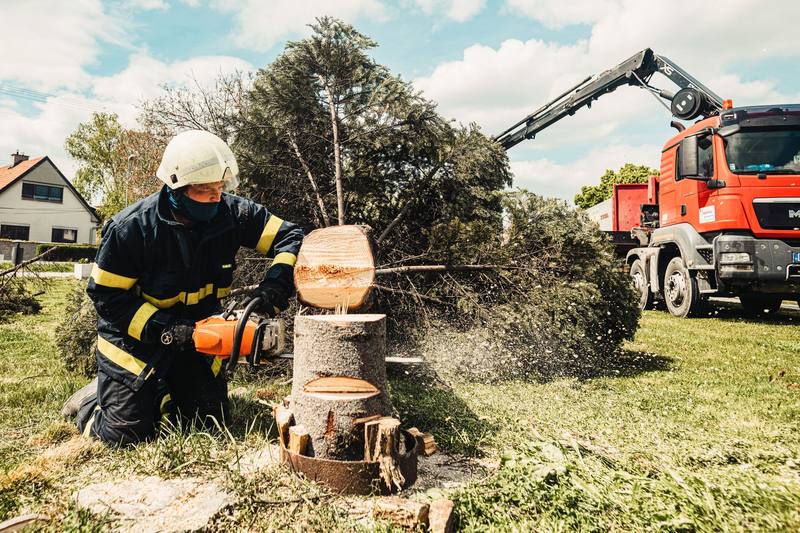
Stump Removal
Full stump and root ball extraction where a new structure, driveway or utility line is going in.
Learn more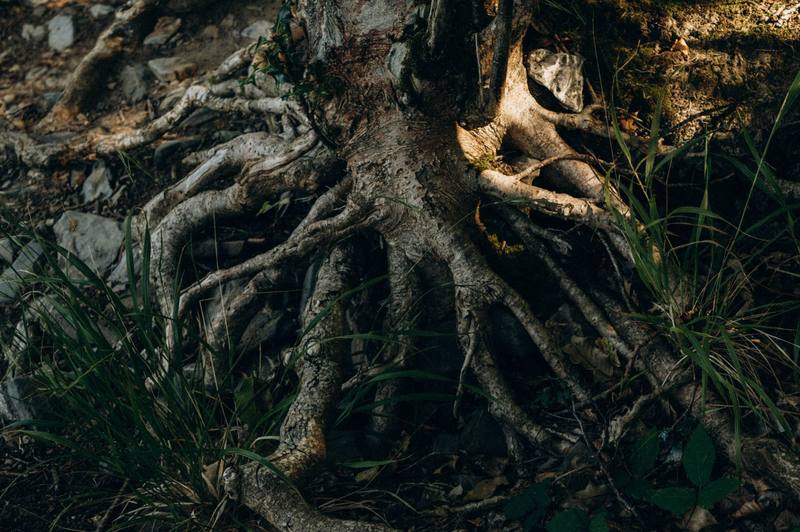
Root Grinding
Surface roots that lift walks, patios and lawns ground down and cleaned up.
Learn more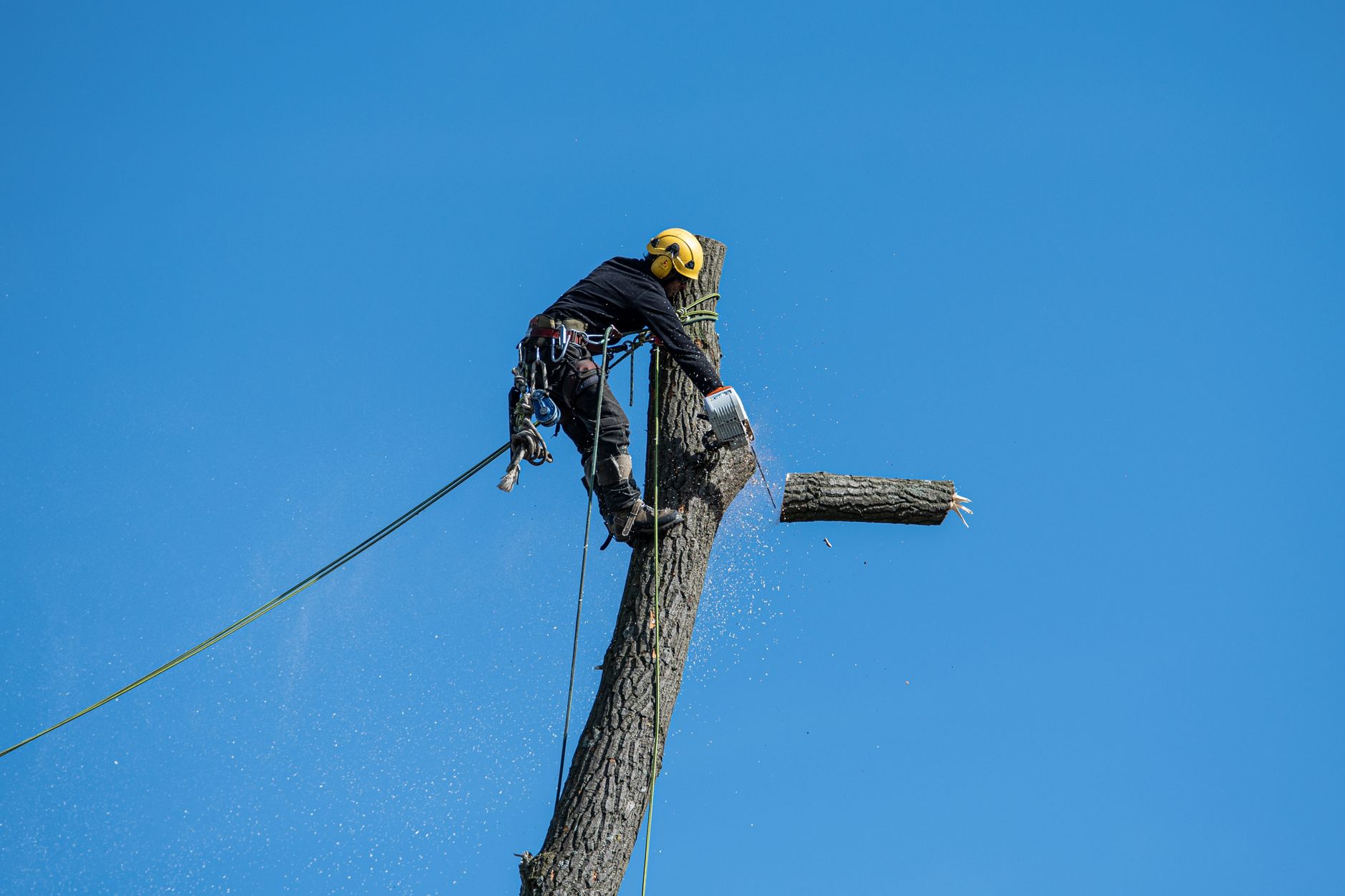
Tree Removal
Dead, leaning or in-the-way trees taken down in sections and hauled away.
Learn more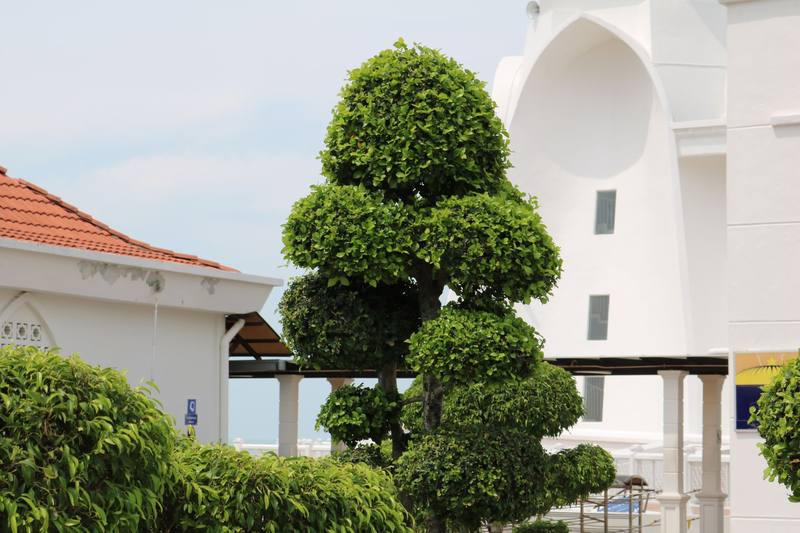
Tree Trimming
Crown cleaning, deadwood removal and clearance from roofs and lines.
Learn more
Lot Clearing
Brush, small trees and stumps cleared from lots and fence lines.
Learn more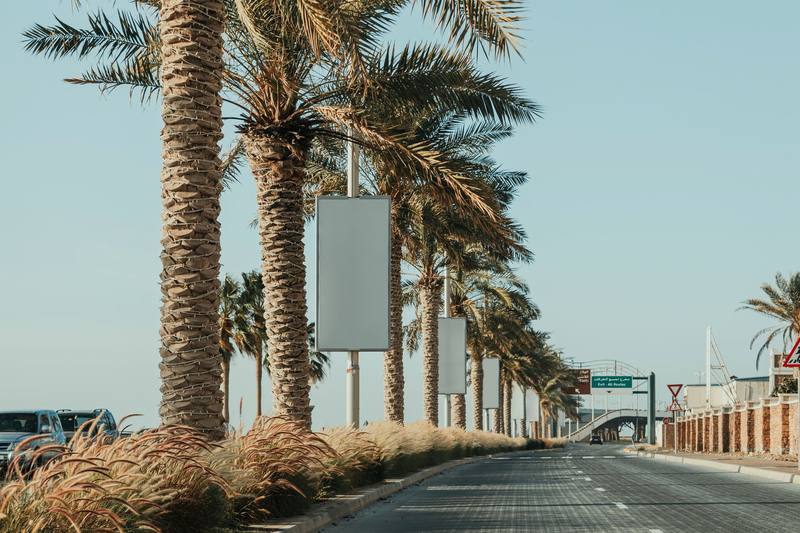
Palm Tree Removal
We take down dead, diseased and unwanted palms around Clearwater and deal with the stump so you can use the ground again.
Learn more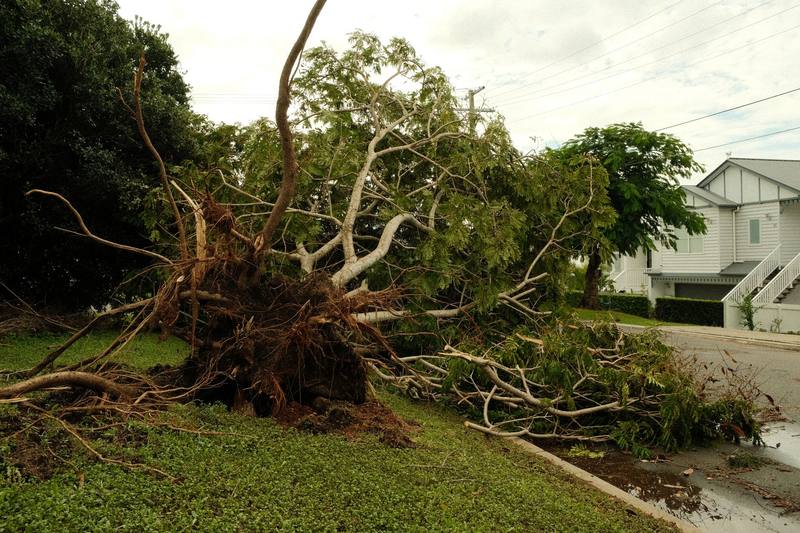
Storm Cleanup
Fallen limbs and uprooted trees cut, cleared and the stumps ground after a storm.
Learn more
Get Started
Send us a photo of the stump
Take a picture with something next to the stump for scale, tell us what you want in that spot, and we will get back to you with a quote. You can also call during business hours.