Is stump grinding safe near a septic tank or sprinkler lines?
Usually yes, as long as the septic system and sprinkler lines are found and marked before grinding starts, and the grinder stays shallow and clear of the drainfield.
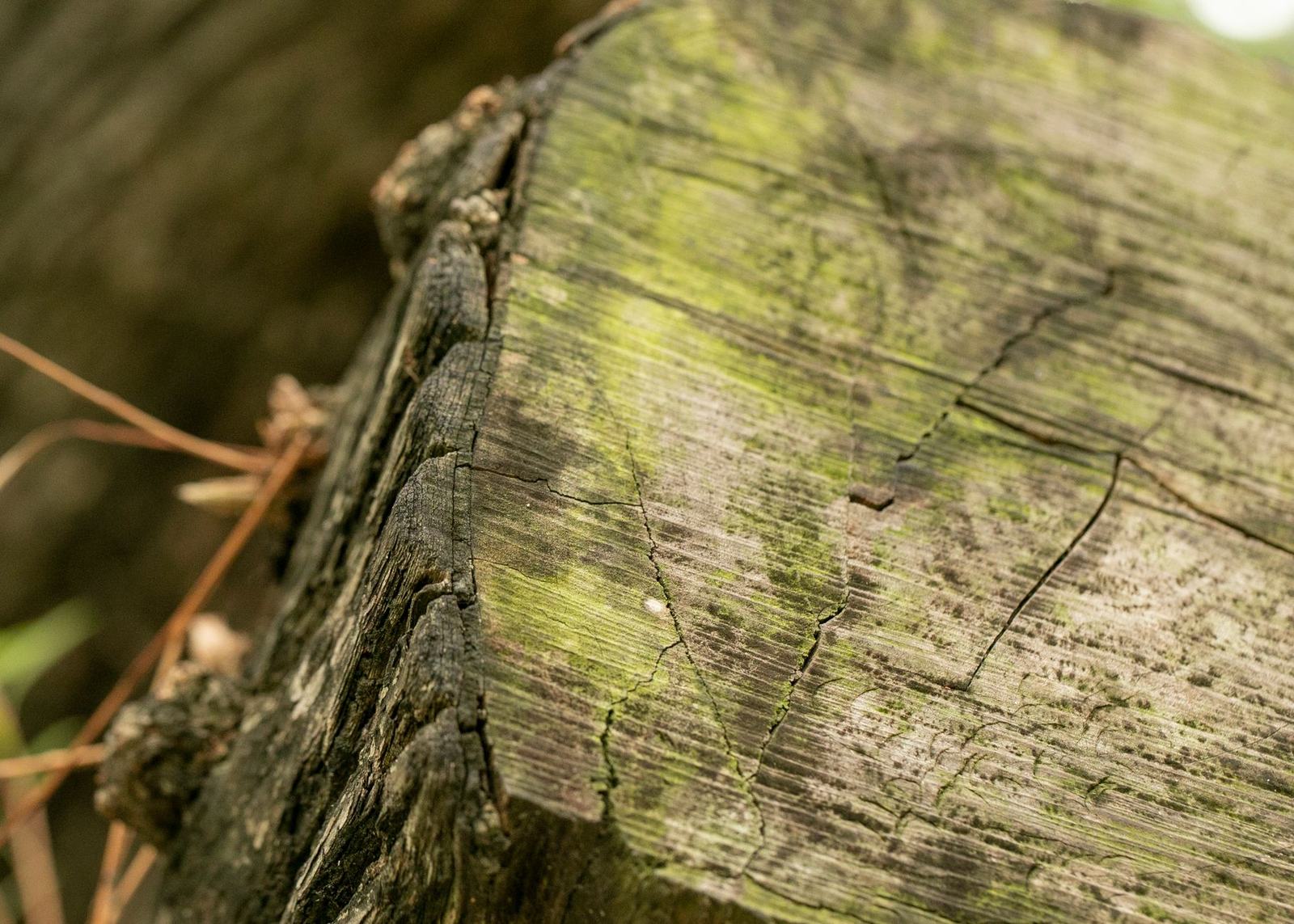
In a lot of Clearwater yards the stump sits a few feet from a sprinkler head, and some older homes still run on septic. Grinding near either one is common work. It goes well when the lines are found first, so here is what we look at and what you can check yourself.
The short answer
Yes, in most cases. Stump grinding is usually safe near a septic tank or sprinkler lines, as long as everyone knows where those lines are before the grinder starts. A grinder is a spinning wheel with carbide teeth. It chews the stump into chips a few inches at a time, and it only goes as deep and as wide as the operator takes it. That control is what makes it workable close to buried pipes.
The grinding itself is not the risk. Grinding blind is. A sprinkler line a few inches under the turf can be cut in one pass if nobody marked it. A septic tank lid, a distribution box or a drainfield pipe can crack if a heavy machine rolls over it or the wheel goes deeper than it should. Most of the damage we hear about happens because nobody knew what was underground, not because the machine did something unexpected.
What changes the answer on a real property
A few things decide how close we can work and how deep we can go.
How deep the lines are. Sprinkler pipe in Florida yards is often shallow, laid just under the sod, and the heads and risers sit right at the surface. The septic tank itself sits deeper, but the pipe from the house, the distribution box and the drainfield lines can be closer to the surface than people expect.
How the roots grew. A tree planted near a drainfield often sends roots straight into it, because that is where the water is. If the stump sits close to the field, the roots may be wrapped around the pipes or growing inside them. Grinding the stump is fine. Chasing every root through the drainfield is not.
The ground itself. Around Clearwater the soil is mostly sandy and the water table can sit high, especially in the rainy season. Soft, wet ground ruts easily and lets a machine sink, and that matters when the route to the stump crosses a tank or a field. Sometimes we plan the path around the system instead of straight across it.
The machine. A small walk-behind grinder weighs far less than a tracked or towed unit. In a tight backyard with a septic field between the gate and the stump, the smaller machine is often the right call, even if the job takes longer.
What you can check yourself before a visit
You can do most of the groundwork before anyone arrives.
Find the septic tank lid and the drainfield. The permit paperwork from when the system went in, or your county's records, may include a site drawing. In a dry spell, strips of greener grass often mark the field lines. If you have had the tank pumped, whoever did it usually knows where the lid is.
Run each sprinkler zone and walk the yard. Note which heads are near the stump and which way the lines seem to run between them. Mark the heads with small flags, or even plastic forks pushed into the turf. If you have an irrigation map from the installer, keep it handy.
Call 811 a few days ahead. It is a free service in Florida that marks public utility lines such as gas, power and water mains. It does not mark private lines like your sprinklers, your septic pipes or a line out to a shed or pool, so those are still on you.
Think about anything else that was buried. Low-voltage landscape lighting, a pet fence wire, a gutter drain run out to the street. These are easy to forget and easy to cut.
When it needs a professional
Some situations should not be left to a guess. If the stump sits on top of or right beside the septic tank, the distribution box or the drainfield, have the system located properly first. Sometimes it is also worth having someone who works on septic systems look at it. If roots are already in the pipes, you may notice slow drains or soggy patches in the yard, and grinding the stump will not fix that.
Get help too if you have no idea where the lines are, if the yard has been regraded or had fill added since the system went in, or if a sprinkler main runs from the meter right past the stump. In those cases we may grind shallower than usual, stop short of the edge of the field and leave some root in the ground. That is usually the right trade. Once a stump is ground below the surface and covered with soil, it is gone for everyday purposes. A cracked drainfield is a much bigger problem than a leftover root.
How this fits with stump and root grinding
On a visit, we look at where the stump is, ask what you know about the septic system and sprinklers, and check your flags before we set a depth. If a sprinkler line runs close, we often dig it out by hand and grind around it. A cut line is a simple repair, but not cutting it is simpler.
Our Stump Grinding work is set up for yards like this. Where surface roots are lifting the turf or running toward a pipe, Root Grinding can follow them a short way out from the stump without going deep or wide enough to reach the system. If the tree is still standing near the septic field, plan the stump at the same time as the tree, so the route for the machines only has to be worked out once.
If you are in Clearwater or a nearby town and you are not sure what is under your stump, mark what you can find, take a few photos and get in touch. We would rather talk it through before the machine shows up than after.
Related questions
It can if the grinder goes too deep over the field lines or a heavy machine drives across them. If the field is marked first, the grinding stays shallow and the machine stays off the field, the risk is low. When a stump sits right on the field, we often grind less deep and leave some root behind.
It can, because sprinkler pipe is often only a few inches under the grass. Flagging every head near the stump and telling us which way the lines run lets us dig the pipe out by hand or work around it. If a line does get nicked, it is usually a simple repair.
No. 811 marks public utility lines such as gas, electric and water mains. Private lines on your side, like sprinklers, septic pipes, landscape lighting and lines to a pool or shed, are not marked, so you will need to find and flag those yourself.
Often it is worth thinking about, because roots look for water and can grow into drainfield pipes. Whether to take it down depends on how close it is, what kind of tree it is and whether you already have drain problems. If it comes down, plan the stump at the same time so the machines stay off the system.
Services
How we can help in Clearwater

Stump Grinding
Stumps ground below grade so you can plant, sod or pave over the spot.
Learn more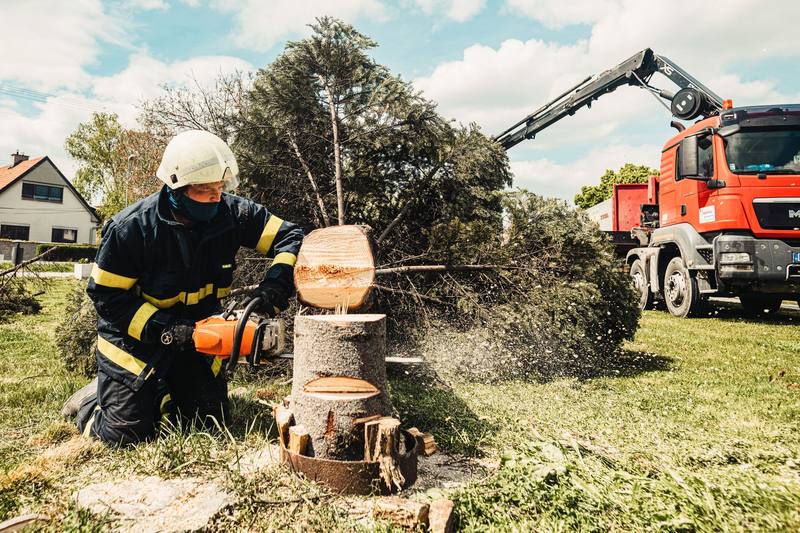
Stump Removal
Full stump and root ball extraction where a new structure, driveway or utility line is going in.
Learn more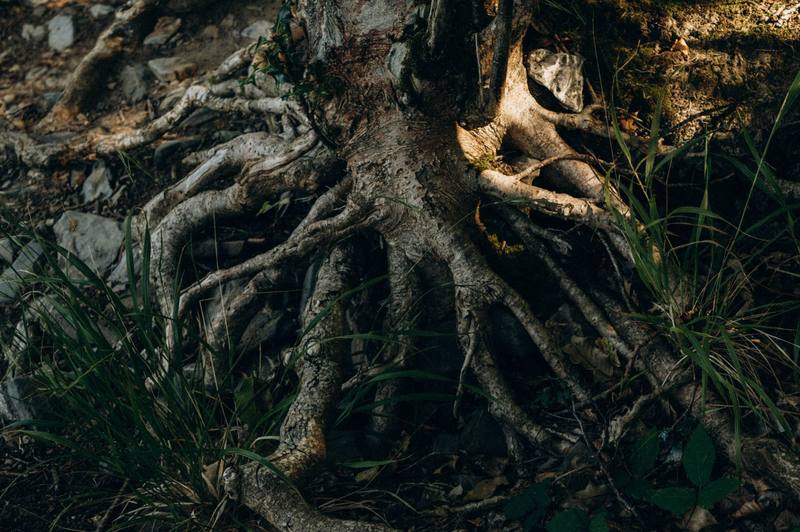
Root Grinding
Surface roots that lift walks, patios and lawns ground down and cleaned up.
Learn more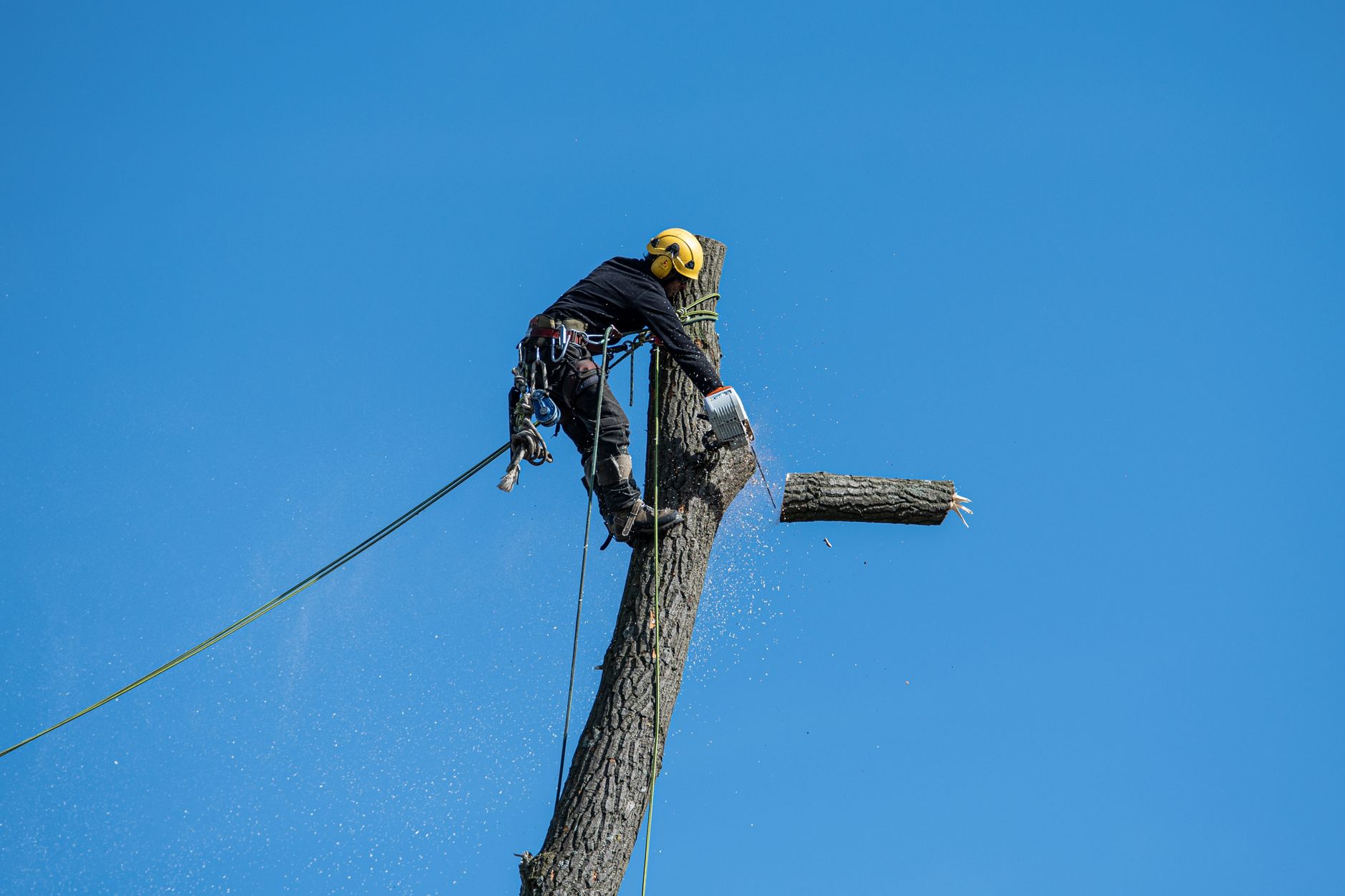
Tree Removal
Dead, leaning or in-the-way trees taken down in sections and hauled away.
Learn more
Tree Trimming
Crown cleaning, deadwood removal and clearance from roofs and lines.
Learn more
Lot Clearing
Brush, small trees and stumps cleared from lots and fence lines.
Learn more
Palm Tree Removal
We take down dead, diseased and unwanted palms around Clearwater and deal with the stump so you can use the ground again.
Learn more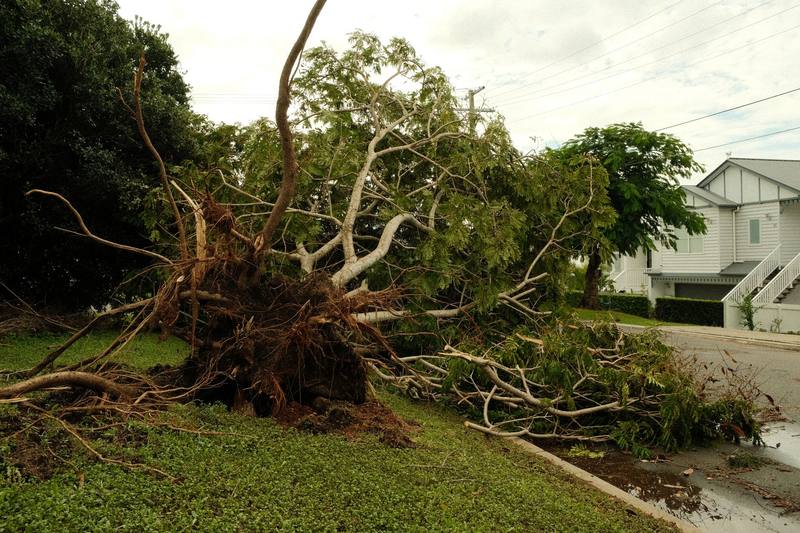
Storm Cleanup
Fallen limbs and uprooted trees cut, cleared and the stumps ground after a storm.
Learn more
Get Started
Send us a photo of the stump
Take a picture with something next to the stump for scale, tell us what you want in that spot, and we will get back to you with a quote. You can also call during business hours.