What are the downsides of stump grinding?
Stump grinding leaves the roots in the ground, along with a pile of wood chips and a hole that can settle, and some trees send up new shoots from what is left.
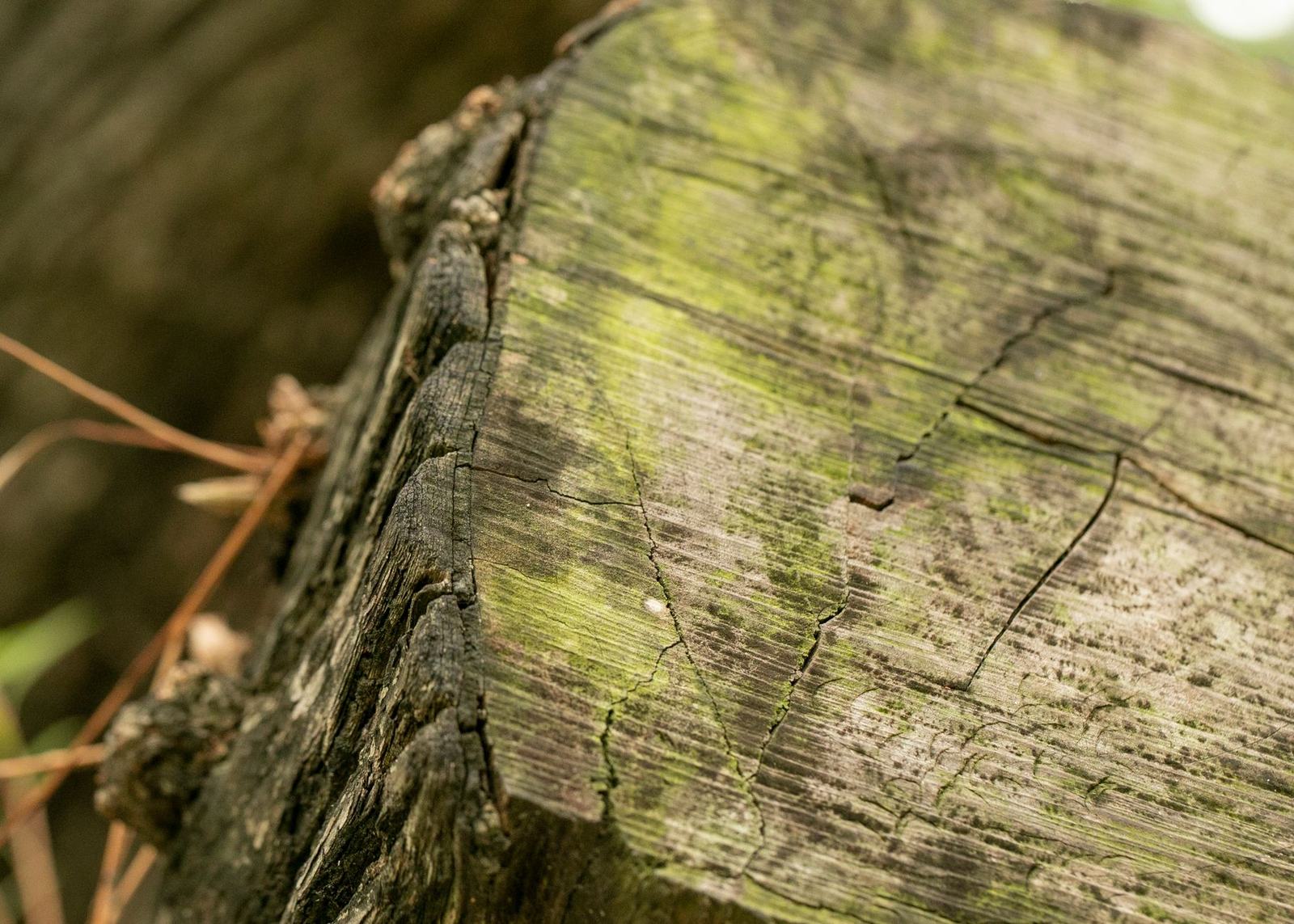
Stump grinding is the most common way to deal with a stump, and for most yards it is the right one. It does leave a few things behind, though, and you should know about them before the grinder arrives. Here is what to expect in a Clearwater yard, and how to tell if grinding alone will do.
The short answer
Stump grinding gets rid of the stump, not the whole tree. The grinder chews the stump down below the soil line and leaves the root system in the ground. For most yards that is fine. For some it starts a second, smaller problem.
The main downsides are these. The roots stay in the ground and rot slowly. The hole can settle as they break down. Some trees send up new shoots from the roots that are left. You are also left with a pile of wood chips mixed with soil, and that mix is poor planting ground as it is. There is a small risk to anything buried near the stump, like an irrigation line or a cable. None of this is a reason to avoid grinding. It just helps to know what you are getting.
What stays behind after the grinder leaves
When a stump is ground, the wood above ground and just below it becomes chips. The large roots running out from it are cut off at the edge of the grinding area and left where they are. Over the next few seasons they decay. Wood breaks down faster in Clearwater's warm, wet weather than in colder places. That helps, but it also means you may see mushrooms or a soft, sunken patch in the lawn as the roots go. Shallow surface roots can still lift edging or show through thin grass.
The chips are the other leftover. A large stump makes a lot of them. You can rake them out and use them as mulch. If they are pushed back into the hole and covered with sod, though, the grass often struggles. Fresh wood takes nitrogen from the soil as it breaks down, so the patch can stay yellow or thin. Mixing in topsoil and leaving a little extra height for settling usually fixes that.
What changes the answer on your property
The kind of tree matters most. Some species readily sprout from the roots left in the ground, so you may see suckers coming up around the old spot for a season or two. Others die back completely once the trunk is gone. Palms are a different case. A palm stump does not regrow, and the fibrous trunk grinds differently from hardwood, so with palms the downsides are mostly about the chips and the hole.
Location matters next. A stump close to a driveway, pool deck, slab or fence has roots running under those surfaces. Grinding the stump does nothing to those roots, and if they have already lifted a paver, it will not settle back. Sandy soil is common across Pinellas County. It drains quickly and settles easily, so a ground-out hole can sink further than you expect after a few heavy summer storms.
Last, think about what you want to do with the spot. If you want lawn there, grinding plus good fill is usually enough. If you want to plant a new tree in the same place, or put a shed or patio over it, the leftover roots and chips become a real problem. Then you may need more than grinding.
What you can check yourself
Before anyone comes out, walk around the stump. Look for sprinkler heads nearby and follow the line they make, because irrigation pipe is the thing most often hit. Mark the heads with small flags. Think about whether a cable, gas or electric line could run through that part of the yard, and call 811 to have public lines marked before any digging.
Check whether roots show on the surface and how far they spread. Note anything breakable within a few feet, like a window, a parked car or a planter. Grinders throw chips, and the crew will want to know. If the tree came down recently, look for green shoots at the base. They tell you the roots are still alive and may keep pushing up growth after the stump is gone.
When it needs a professional
A stump grinder is a heavy, fast machine. You can rent one, but the work is harder than it looks. The common mistakes are hitting a buried line, grinding too shallow so the stump shows again once the lawn settles, and tearing up the yard getting the machine in.
Call a professional when the stump is wide, when it sits close to the house or a fence, when lines run nearby, when the only way in is a narrow side gate, or when roots are already causing damage. A visit is usually short. We look at the stump, ask where the lines are and check access. Then we grind, deal with the chips however you prefer, and tell you what to expect as the roots break down.
Grinding, root work or full removal
For most Clearwater yards, Stump Grinding is the right choice. It is quick, the yard is usable again right away, and the roots break down on their own. If surface roots are lifting a walkway or showing through the lawn, Root Grinding can follow the main roots out and grind them below the surface too.
When the spot has to be completely clear for a new tree, a footing or a patio, Stump Removal takes the stump and the root ball out of the ground. It is harder on the yard, but it leaves nothing to rot or sprout. If you are not sure which you need, tell us about the stump and your plans for the spot, and we will tell you plainly whether grinding alone will do.
Related questions
Some species can send up shoots from the roots left in the ground, usually for a season or two. Others die back completely once the trunk is gone. Palms do not regrow from the stump. If shoots appear, cutting them back as they come up usually wears the roots out.
Not right away in the same spot. The old roots and the wood chips make poor planting soil, and the ground will settle as they decay. Planting a short distance away, or having the stump and root ball fully removed, gives a new tree a better start.
The roots under the old stump rot over time, and the soil above them sinks into the space they leave. Sandy soil settles faster, especially after heavy rain. Topping the spot with soil and reseeding or patching the sod usually takes care of it.
You can use them as mulch in beds or around other trees. If you want grass in the spot, rake most of the chips out and fill with topsoil. Grass planted straight into fresh chips tends to struggle.
Grinding is quicker and easier on the yard, and it is enough when you just want lawn back. Removal takes the root ball out too, which matters if you plan to build or plant in the same place. The right choice depends on what you want to do with the spot.
Services
How we can help in Clearwater
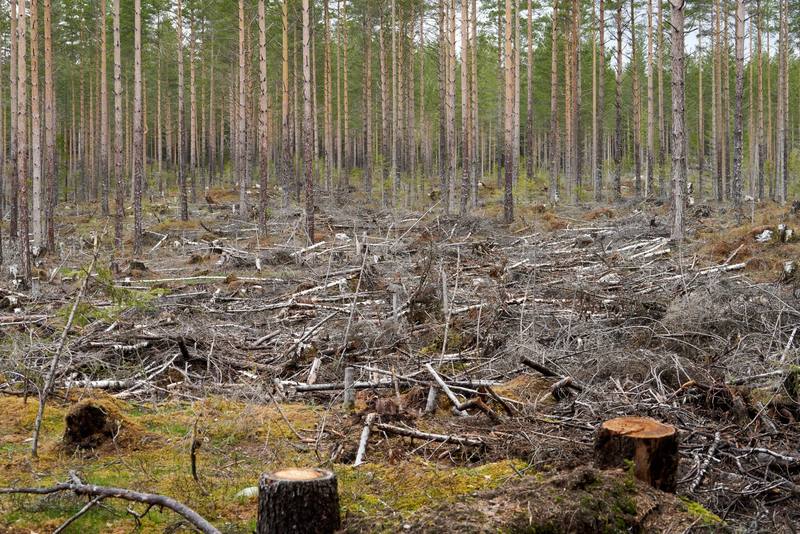
Stump Grinding
Stumps ground below grade so you can plant, sod or pave over the spot.
Learn more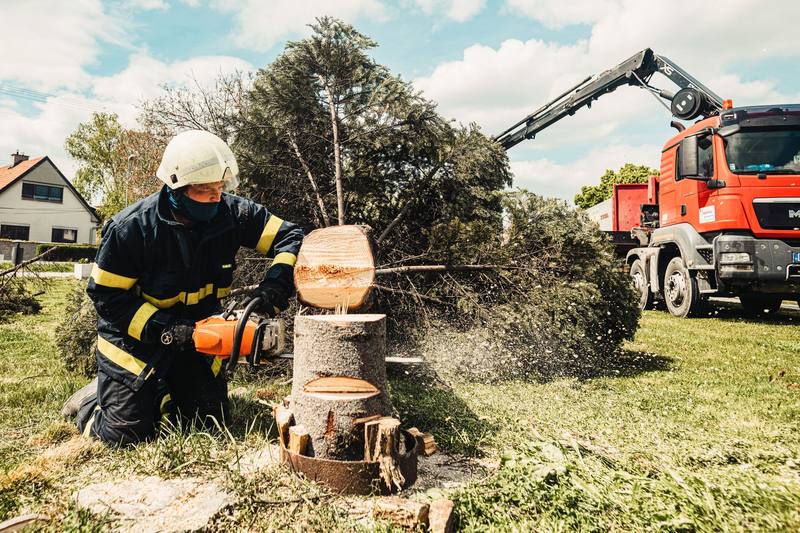
Stump Removal
Full stump and root ball extraction where a new structure, driveway or utility line is going in.
Learn more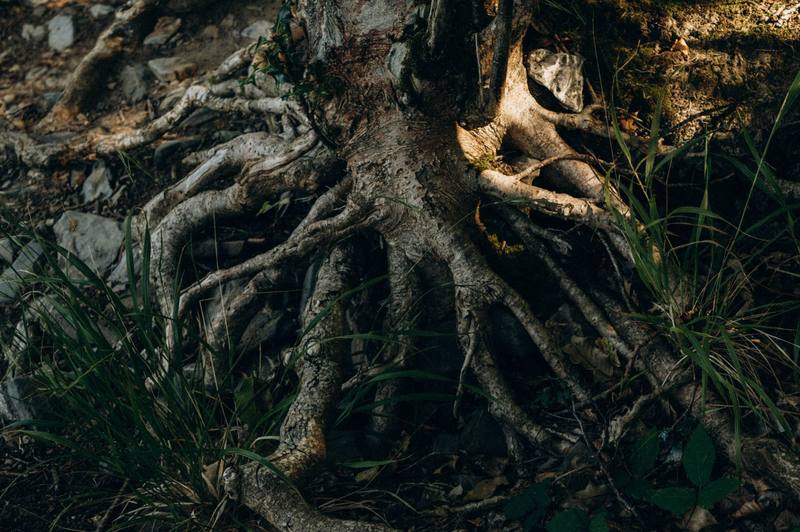
Root Grinding
Surface roots that lift walks, patios and lawns ground down and cleaned up.
Learn more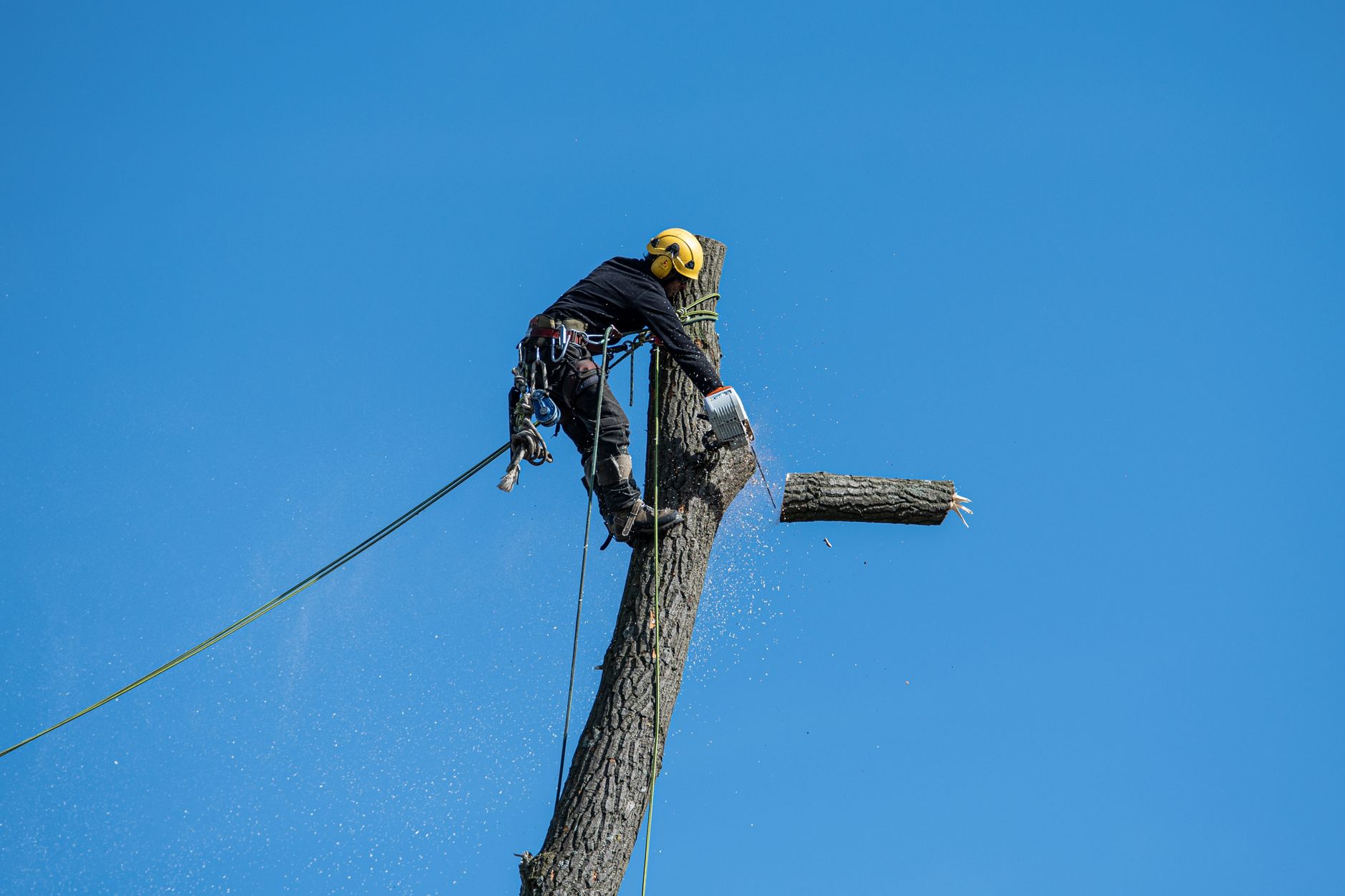
Tree Removal
Dead, leaning or in-the-way trees taken down in sections and hauled away.
Learn more
Tree Trimming
Crown cleaning, deadwood removal and clearance from roofs and lines.
Learn more
Lot Clearing
Brush, small trees and stumps cleared from lots and fence lines.
Learn more
Palm Tree Removal
We take down dead, diseased and unwanted palms around Clearwater and deal with the stump so you can use the ground again.
Learn more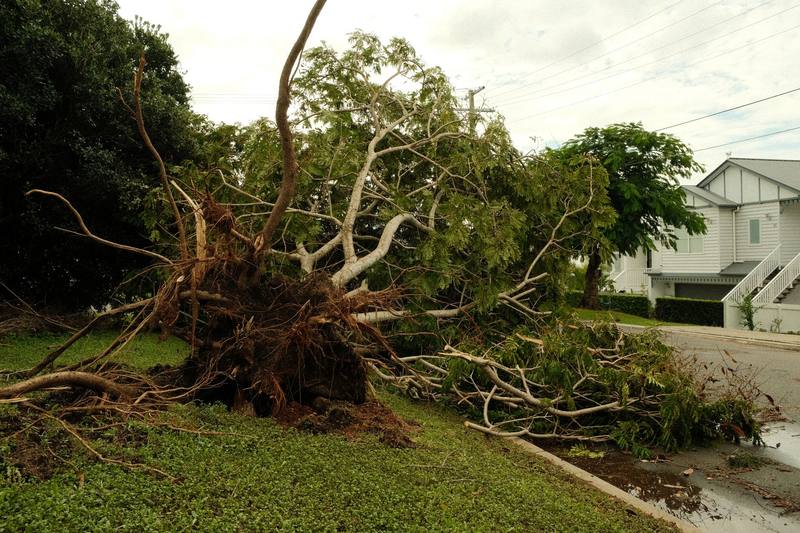
Storm Cleanup
Fallen limbs and uprooted trees cut, cleared and the stumps ground after a storm.
Learn more
Get Started
Send us a photo of the stump
Take a picture with something next to the stump for scale, tell us what you want in that spot, and we will get back to you with a quote. You can also call during business hours.