What happens to the wood chips after stump grinding?
The grinder turns the stump into a pile of chips and soil, which usually goes back into the hole and around it, and you can keep it as mulch, spread it elsewhere or have the extra hauled away.
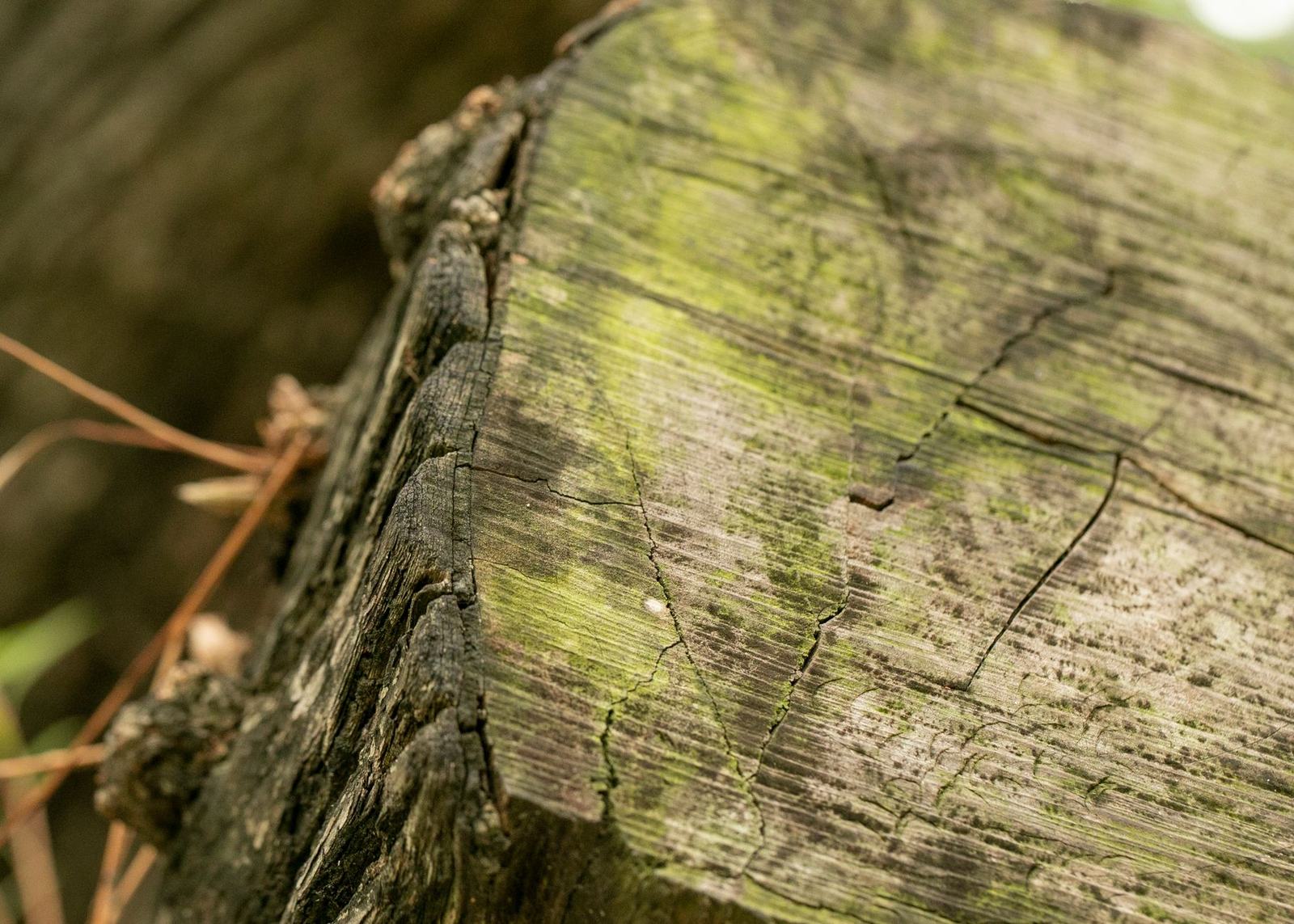
Many Clearwater homeowners are surprised by how big the pile is once a stump is gone. A stump that looked modest above ground can turn into a mound of chips and sandy soil several times its size. Here is what normally happens to that material, and how to decide what to do with yours.
The short answer
A stump grinder chews the stump down into small chips mixed with soil from around the roots. When the grinding stops, that mix sits in and around the hole where the stump was. On most jobs the chips are raked back into the hole, and the extra is left in a neat pile beside it or spread nearby.
From there you have three choices. You can leave the chips in the hole to settle, you can use them as mulch in beds or around other trees, or you can have the extra taken away. Whether hauling is part of the job varies, so it is worth asking before work starts rather than after the pile is sitting on your lawn.
What the chips do not do is disappear. Wood breaks down slowly, so the material in the hole will keep settling for months as it rots and compacts.
What changes the answer on a real property
The size and type of tree matter most. A large oak or a mature laurel oak leaves a big, dense pile of woody chips. A palm is different. Palm trunks are fibrous rather than woody, so grinding a palm stump leaves stringy, damp material that packs down and breaks down in a different way. It does not make good mulch, and many people prefer to have it removed.
What you want the spot to become also changes things. If you plan to lay sod, the chips need to come out of the hole and be replaced with soil, because grass will not root well in a bed of fresh wood. If you plan to plant a shrub or a new tree in the same place, the same applies, and the old roots that remain below grinding depth may also get in the way. If the spot will simply be a mulched bed, leaving the chips in place is usually fine.
Around Clearwater, the soil is mostly sand, and summer storms bring heavy rain in short bursts. Loose chips on a slope or near a drain can wash into gutters, pool decks or storm drains. A pile next to the house also holds moisture against the foundation, which you do not want. Buried wood can also attract termites, which are common in Pinellas County, so it makes sense to keep large amounts of chips away from the house and any wood structures.
Finally, irrigation matters. Many yards here have sprinkler lines running close to trees. Grinding is done with care around them, but once the chips are moved, check that heads are not buried and still pop up properly.
What you can check yourself
A few days after grinding, look at the hole. If it has sunk, that is normal. Topping it up with soil once or twice over the following months keeps it level with the lawn.
Feel the pile. Fresh chips are damp and may feel warm in the middle as they start to break down. That is ordinary composting and nothing to worry about, but it is another reason not to heap them against a wall or fence.
If you use the chips as mulch, spread them a few inches deep and keep them a hand's width away from the trunks of other trees and from your siding. Mulch piled against a trunk keeps the bark wet and can lead to rot.
Do not dig fresh chips into the soil of a vegetable bed or a new planting. As wood breaks down, it draws nitrogen from the soil around it, and young plants can turn yellow and struggle. Using chips on top of the soil as mulch avoids most of that.
Watch for mushrooms. They often pop up in grinding chips after rain, especially in the wet season. They are a sign the wood is breaking down. If you have pets or small children, rake them out as they appear.
When it needs a professional
Most homeowners can handle the chips from a single small stump with a rake, a wheelbarrow and an afternoon. It makes sense to get help when the pile is large, when there are several stumps, or when the spot needs to be ready for sod or planting soon.
Bring someone in if the old tree had large surface roots running across the yard. Grinding the stump alone leaves those roots in place, and they can lift pavers, crack edging or make the lawn lumpy. Root grinding follows those roots out and grinds them below the surface, which leaves more chips but a much flatter yard.
It is also worth getting a professional opinion if the stump was close to the house, a driveway, a pool or underground lines. Removing chips and roots in tight spots needs care, and the right depth to grind depends on what is nearby.
If the tree died from disease or pests, ask before reusing the chips around your other trees. In some cases it is better to have that material removed rather than spread it around the yard.
How this fits with what we do
When we do Stump Grinding in Clearwater and nearby towns like Dunedin, Largo and Palm Harbor, we talk through the chips before we start. You tell us what you want the spot to become, and we tell you plainly what that means for the material left behind: keep it, spread it, or have the extra taken away.
If you want the area fully cleared, Stump Removal goes further, taking out more of the root mass and the material so the spot can be filled with soil and planted. For yards with roots spreading under the lawn, Root Grinding is often the step that makes a real difference. If you are not sure which you need, call us or ask for a quote and we will look at the stump and the yard with you.
Related questions
Yes, for most hardwood stumps the chips make a usable mulch in beds and around trees. Spread them a few inches deep and keep them away from trunks and siding. Palm material is stringy and wet, so it usually works poorly as mulch.
It takes a long time, often more than a year, and the hole keeps sinking as the wood rots. Topping it up with soil a couple of times keeps it level. If you want to plant or lay sod soon, it is better to remove the chips and fill with soil instead.
Not directly on the chips. Grass struggles to root in fresh wood and the spot will sink unevenly. Rake the chips out, fill the hole with good soil, firm it down and then lay the sod.
Buried and piled wood can attract termites, which are common in the Clearwater area. Keep larger amounts of chips away from the house, decks and fences. If you are concerned, have the extra chips hauled away rather than spread close to the home.
Services
How we can help in Clearwater
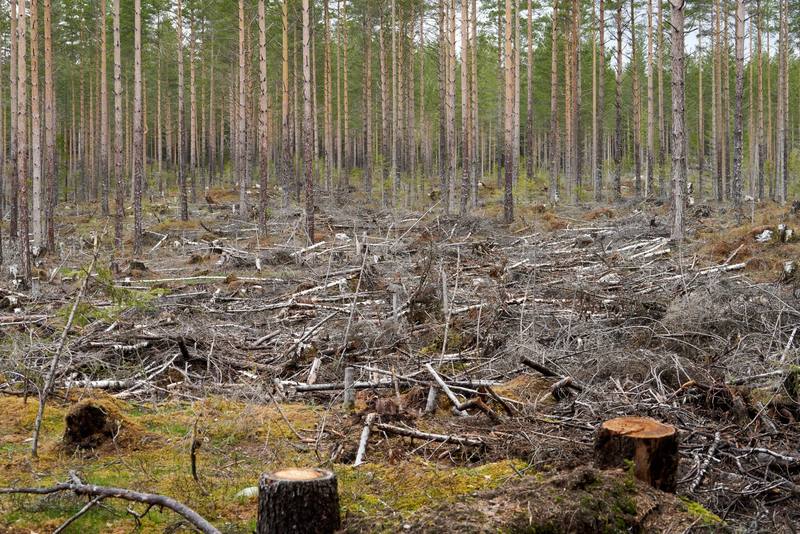
Stump Grinding
Stumps ground below grade so you can plant, sod or pave over the spot.
Learn more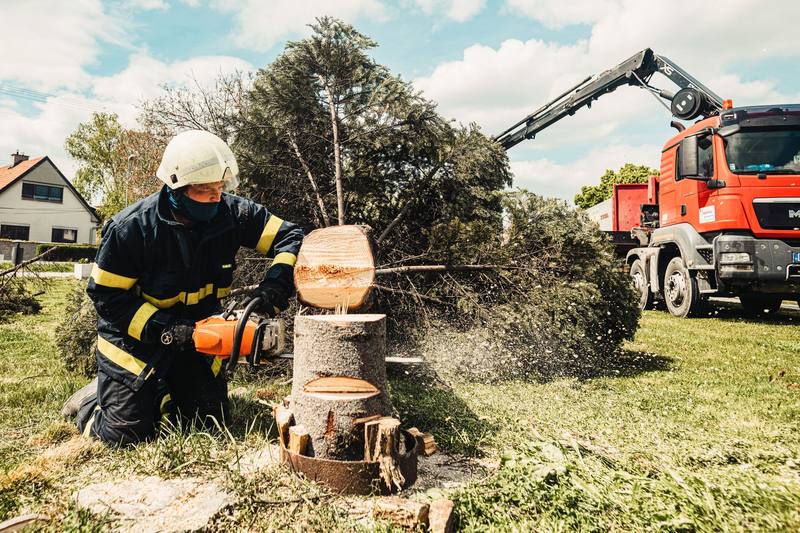
Stump Removal
Full stump and root ball extraction where a new structure, driveway or utility line is going in.
Learn more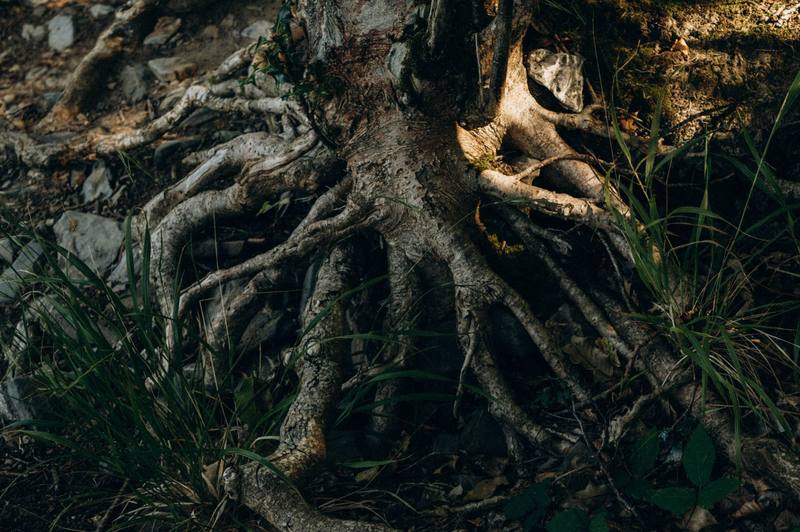
Root Grinding
Surface roots that lift walks, patios and lawns ground down and cleaned up.
Learn more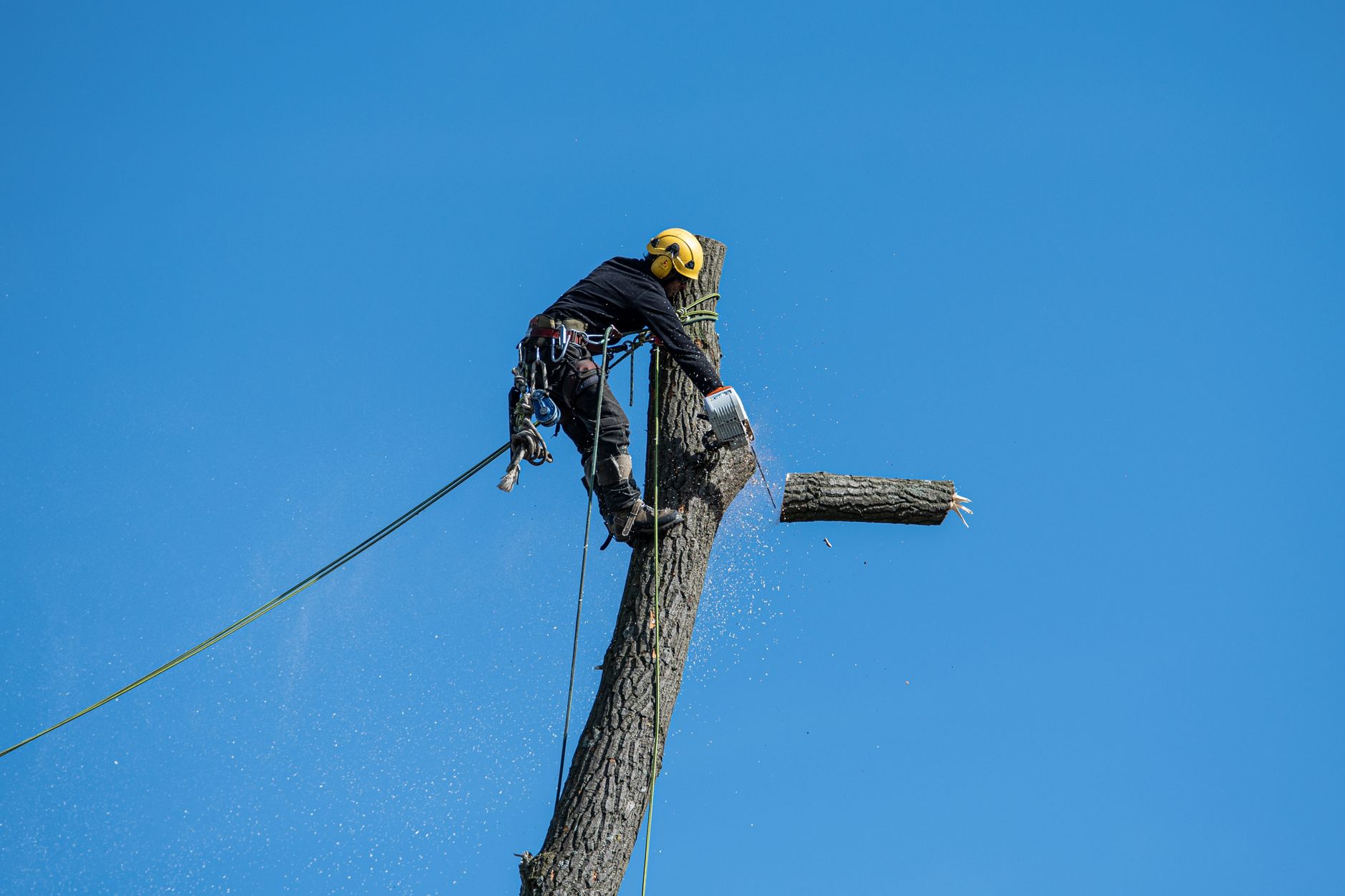
Tree Removal
Dead, leaning or in-the-way trees taken down in sections and hauled away.
Learn more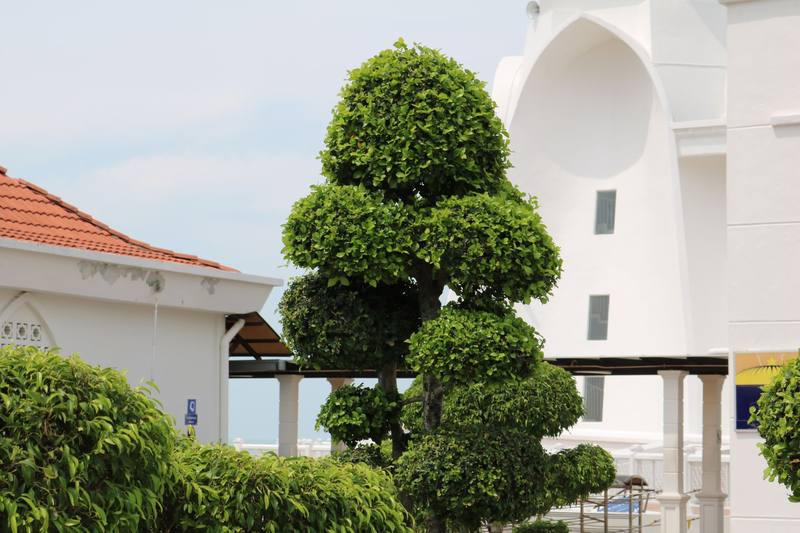
Tree Trimming
Crown cleaning, deadwood removal and clearance from roofs and lines.
Learn more
Lot Clearing
Brush, small trees and stumps cleared from lots and fence lines.
Learn more
Palm Tree Removal
We take down dead, diseased and unwanted palms around Clearwater and deal with the stump so you can use the ground again.
Learn more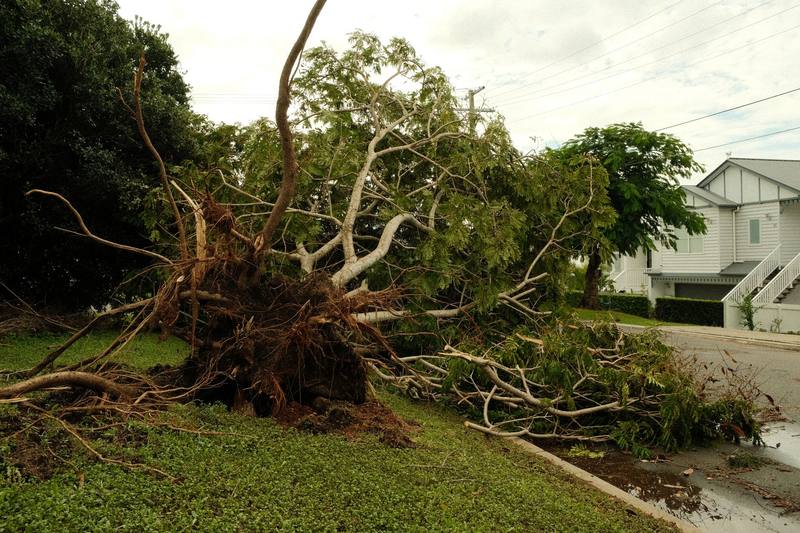
Storm Cleanup
Fallen limbs and uprooted trees cut, cleared and the stumps ground after a storm.
Learn more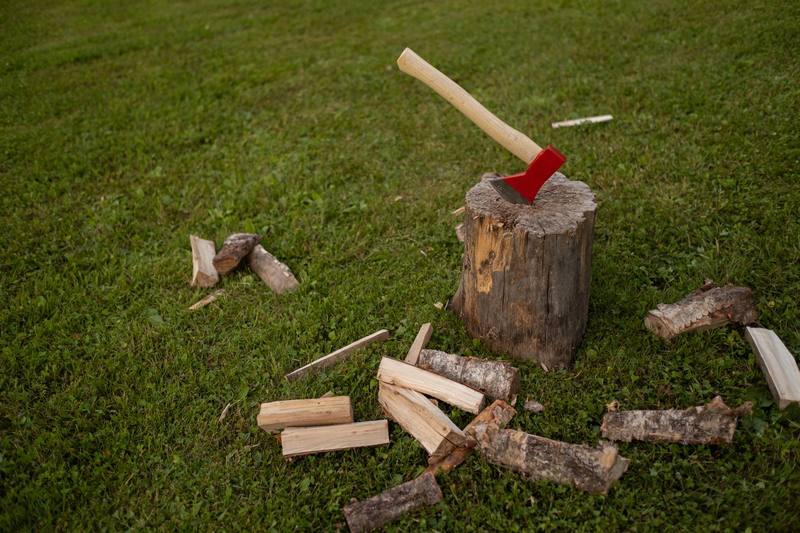
Get Started
Send us a photo of the stump
Take a picture with something next to the stump for scale, tell us what you want in that spot, and we will get back to you with a quote. You can also call during business hours.