Will a ground stump grow back?
Usually not: grinding removes the part of the stump where most new shoots start, but a few kinds of trees can still send up sprouts from roots or from a shallow grind.
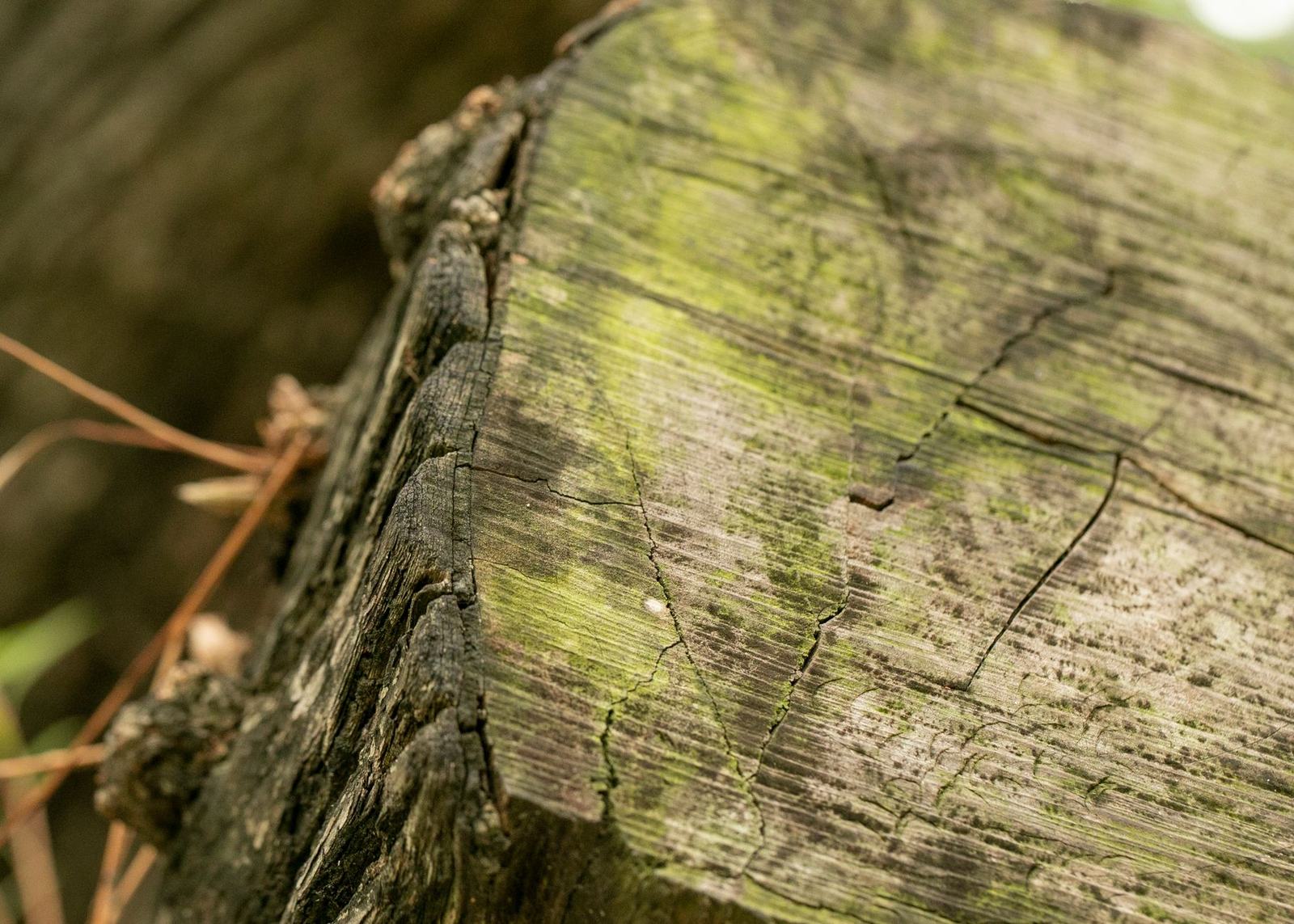
If you've just had a stump ground, or you're thinking about it, you probably want to know if the problem is really gone. For most trees in a Clearwater yard, it is. This post covers the exceptions, how to spot them early and what to do about them.
The plain answer
Most ground stumps do not grow back. When a stump is ground below the soil line, the grinder takes out the trunk base and the root collar. The root collar is the flared section where the trunk meets the roots, and it's where most trees grow new shoots after they're cut. Once it's gone, most species can't grow a new trunk.
The roots stay in the ground. They're cut off from anything that can make leaves, so they slowly rot over the next several years. You don't have to dig them out for the stump to count as dead.
That's the usual result, but it isn't guaranteed. Some trees store a lot of energy in their roots and will push up shoots wherever they can. So the honest answer is "usually not," and the rest of this post covers the cases where that answer changes.
What changes the answer on a real property
The species matters most. Some trees die once the trunk is gone. Others fight back. Around Clearwater, the tree we hear about most often is Brazilian pepper. It resprouts hard from cut stumps and from roots, and it's common in older yards and along fence lines. Ficus, chinaberry and some maples and hollies can sprout from roots too. Oaks sometimes put up shoots from the root flare if a grind left part of it behind.
Palms are the opposite case. A palm has a single growing point at the top of the trunk. Once that's removed, the palm is dead, and the stump won't sprout again. Pines are similar and rarely resprout from a ground stump.
Grind depth and width matter next. If a stump was only ground down level with the lawn, live tissue may still be sitting just under the surface. If thick surface roots run out across the yard, any of them that weren't ground can carry a sucker for a while.
Timing plays a part as well. A stump from a healthy tree cut last month has far more stored energy than one from a tree that died standing and sat for a year.
Then there's the climate. Clearwater has a long, warm growing season and heavy summer rain. A tree that wants to resprout gets more months a year to do it than it would farther north. That's why a sucker problem here can look more stubborn than the same tree would in a colder place.
What you can check yourself
Watch the spot for the first few months after grinding. New shoots are easy to spot. They're bright green, soft and often come up in a cluster.
Notice where they come up. Shoots right in the middle of the old stump area mean some of the collar was left. Shoots in a line a few feet away usually sit over a surface root. Brush back the grindings and follow the shoot down with your fingers to see what it's growing from.
Push a shovel down through the grindings where the stump was. If you hit solid wood just under the surface, the grind was shallow. If you go down through loose chips and soil, it was ground deeper.
If you know what kind of tree it was, that tells you a lot. If you don't, the leaves on the new shoots will usually identify it.
For a few small shoots, clip them at ground level whenever they show up. Every shoot you cut makes the root spend stored energy, and with no leaves to refill it, it eventually runs out. Some homeowners also use a herbicide labelled for stumps or brush. If you go that way, follow the label exactly, and keep it away from plants you want to keep.
When it needs a professional
Call someone in if shoots keep coming back after you've clipped them for most of a season, or if they're coming up in several places across the yard. That usually means a large root system is still alive, and clipping alone will take a long time.
It's also worth a visit if you plan to use the spot. Sod, a new garden bed, a paver patio or a shed slab all need the old stump and nearby roots ground deeper than you'd bother with for a patch of lawn. The same goes for roots lifting a driveway, a sidewalk or a pool deck.
Be careful near anything buried. Irrigation lines, cable and gas lines often run close to old trees. Before anyone digs or grinds near them, the lines should be marked through Sunshine 811, Florida's call-before-you-dig service. We check for this before we start.
How this connects to the work we do
Most of the stumps we see in Clearwater, Largo and Dunedin just need Stump Grinding. We grind the stump below the soil line and take out the root collar, and that alone stops most trees from coming back. On a visit we look at the stump, ask what the tree was if you know, check for marked lines, and talk through how deep it makes sense to go for what you plan to do with the spot.
When the trouble is suckers coming up along surface roots, Root Grinding is the next step. We follow the larger roots out from where the stump stood and grind them down too, which takes away the places where new shoots can start. For a tree like Brazilian pepper, it's usually worth talking this through before the stump is ground, not after.
If the old tree was a palm, you can stop worrying about regrowth. A palm stump won't sprout. You can grind it out to clear the space, but nothing will come back from it.
Looking after the spot afterwards
Grinding leaves a mound of wood chips and soil. You can rake some of it out as mulch elsewhere, but if you're planting grass or a new shrub in that spot, clear most of it away and fill with topsoil. Fresh wood chips mixed into the soil can hold back new plants for a while as they break down.
Expect the spot to settle a little over the years as the old roots rot. A bit of extra soil now and then keeps it level with the lawn. If you want a new tree, plant it a few feet to one side of the old stump instead of right on top of it, so the new roots aren't growing through decaying wood.
Related questions
It depends on how big the tree was and what kind it was, but it usually takes several years. Warm, damp soil like ours speeds it up. You may see the spot sink a little as the roots break down, and topping it up with soil fixes that.
No. A palm grows from a single point at the top of the trunk, and once the trunk is cut the palm is dead. Grinding the stump just clears the space. Nothing will sprout from it.
You can, but it's better to plant a few feet to one side. Clear the grindings first and fill with good topsoil. The old roots underneath take years to rot and can get in the way of a young tree's roots.
For most trees, no. Grinding below the soil line is enough. For trees that resprout hard, like Brazilian pepper, it's worth talking it over first, because grinding the surface roots too, or treating the stump, can save you a season of clipping shoots.
Services
How we can help in Clearwater
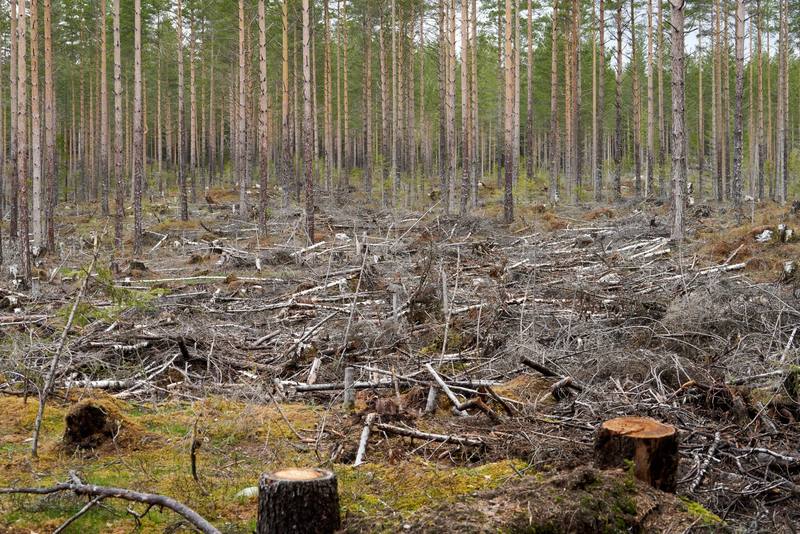
Stump Grinding
Stumps ground below grade so you can plant, sod or pave over the spot.
Learn more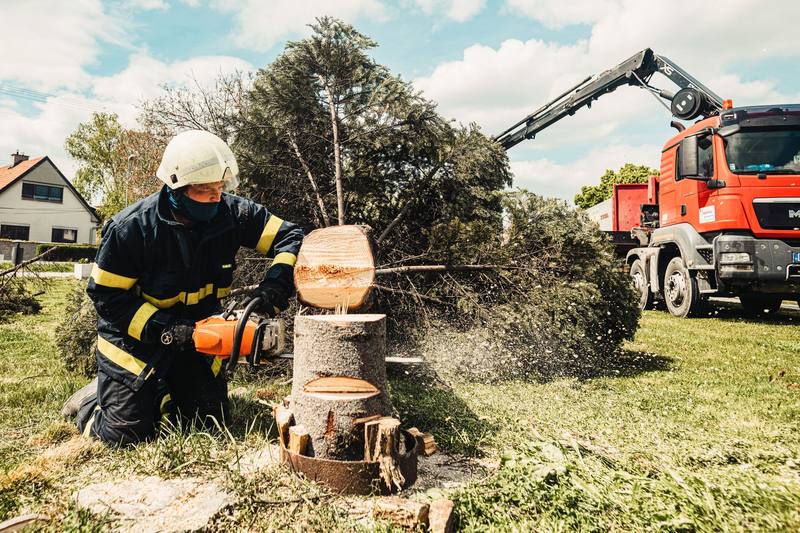
Stump Removal
Full stump and root ball extraction where a new structure, driveway or utility line is going in.
Learn more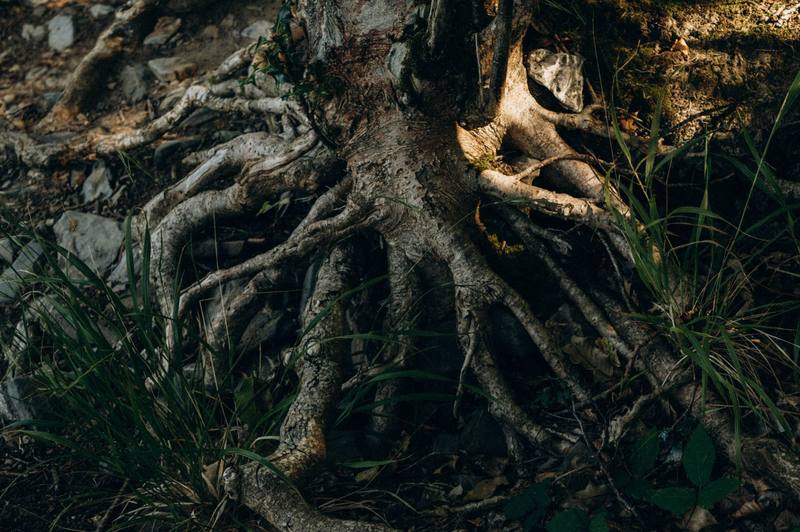
Root Grinding
Surface roots that lift walks, patios and lawns ground down and cleaned up.
Learn more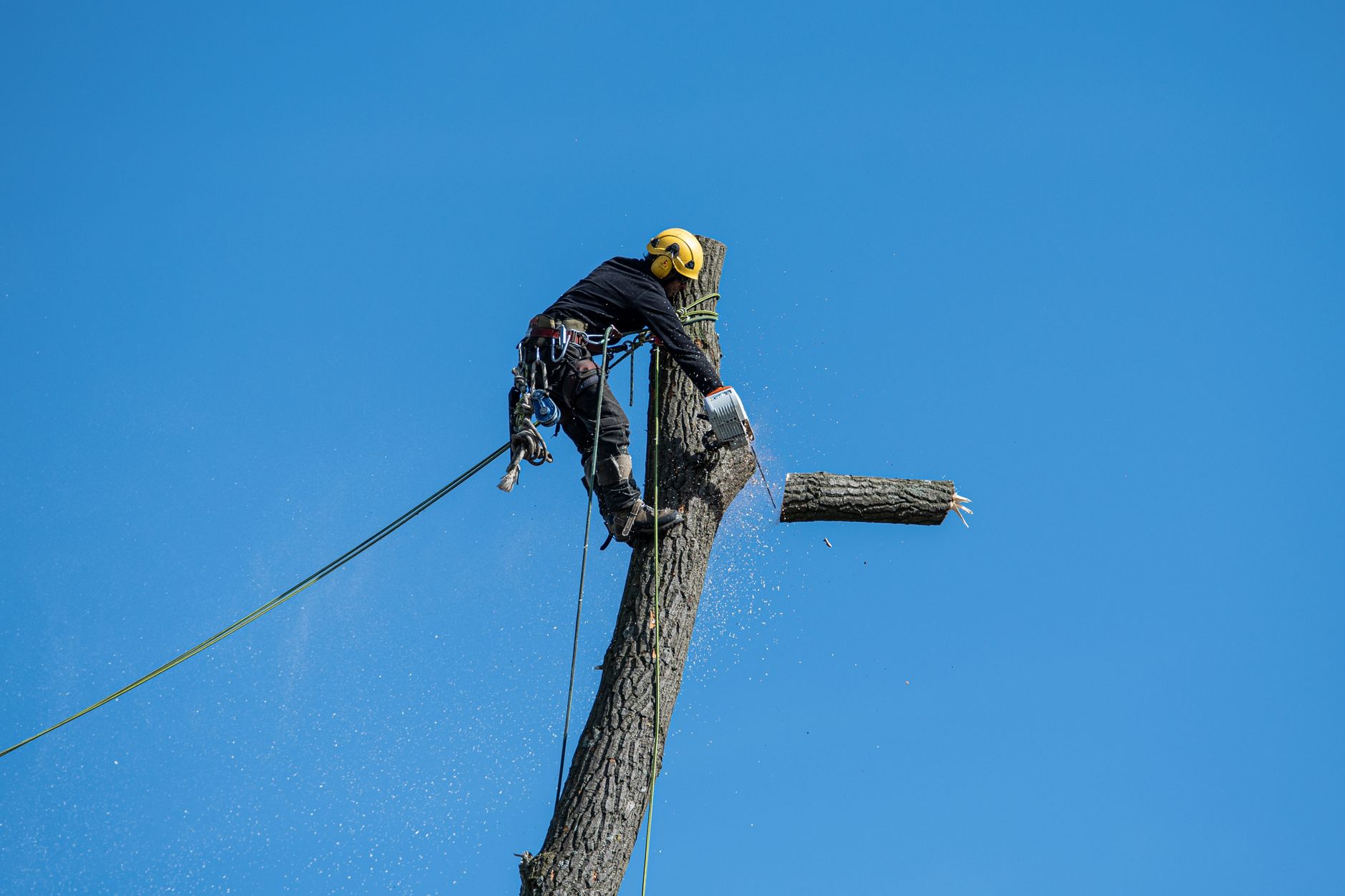
Tree Removal
Dead, leaning or in-the-way trees taken down in sections and hauled away.
Learn more
Tree Trimming
Crown cleaning, deadwood removal and clearance from roofs and lines.
Learn more
Lot Clearing
Brush, small trees and stumps cleared from lots and fence lines.
Learn more
Palm Tree Removal
We take down dead, diseased and unwanted palms around Clearwater and deal with the stump so you can use the ground again.
Learn more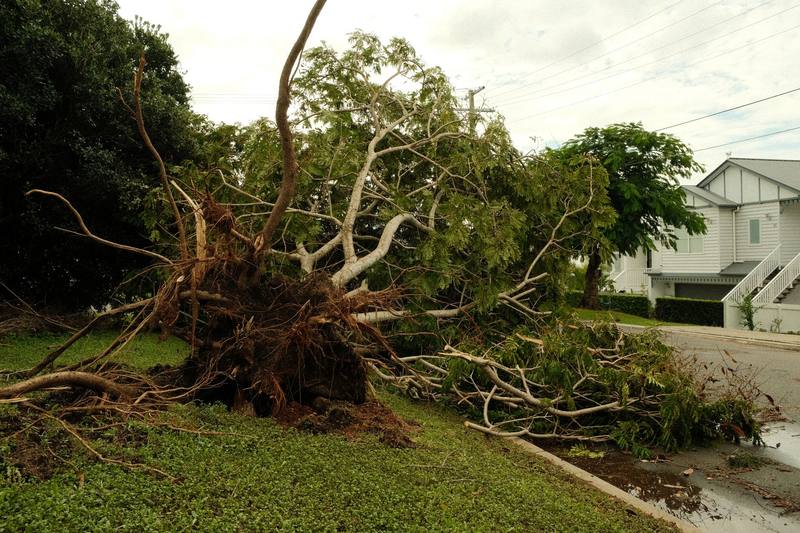
Storm Cleanup
Fallen limbs and uprooted trees cut, cleared and the stumps ground after a storm.
Learn more
Get Started
Send us a photo of the stump
Take a picture with something next to the stump for scale, tell us what you want in that spot, and we will get back to you with a quote. You can also call during business hours.